September 26, 20265 min read
Is Dermatographia Contagious or Permanent? Quick Answers
No, you can't catch or pass on dermatographia. It isn't necessarily permanent either: it comes and goes in flares and often fades over years.
Read the articlePlain-language articles about skin writing — written answer-first, so the point lands in the first sentence and the detail follows.
Showing 46 of 46 articles
No, you can't catch or pass on dermatographia. It isn't necessarily permanent either: it comes and goes in flares and often fades over years.
Read the article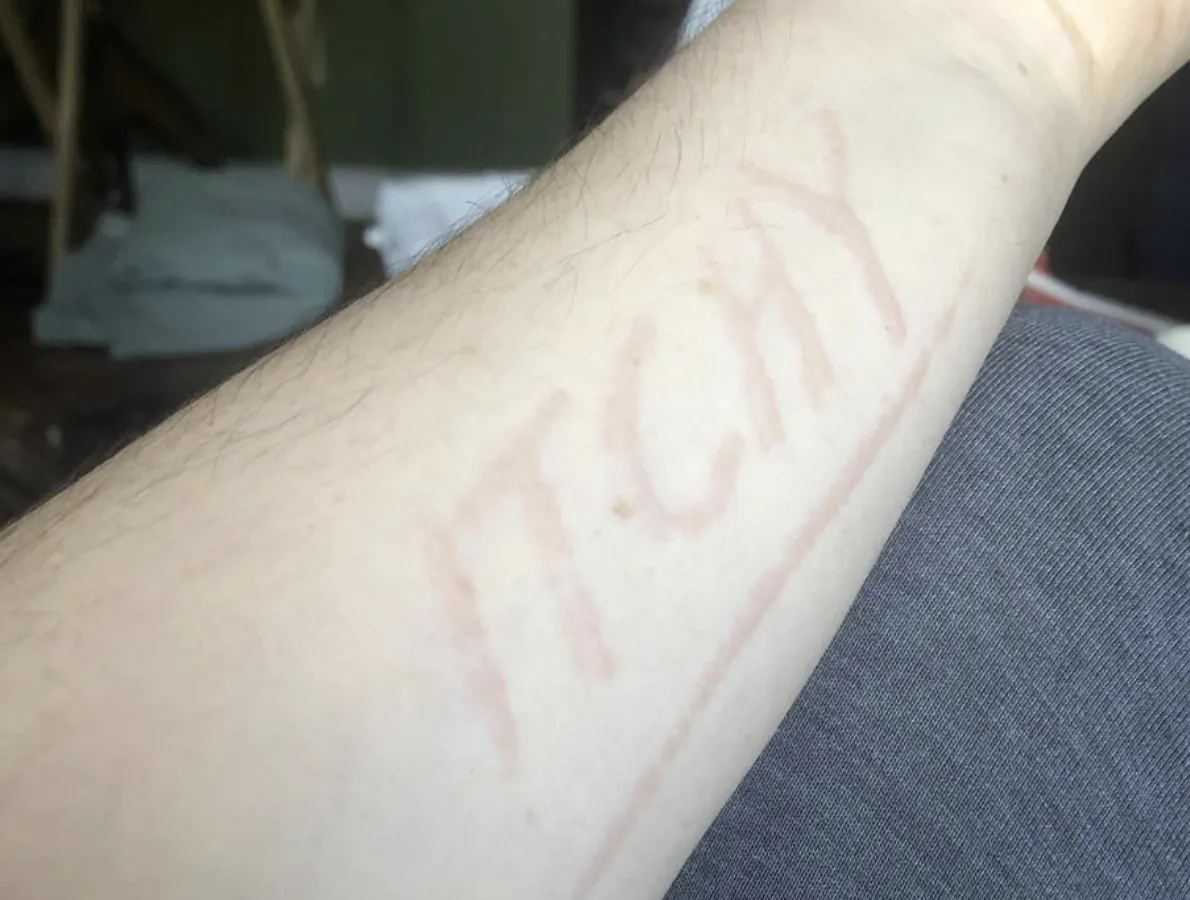
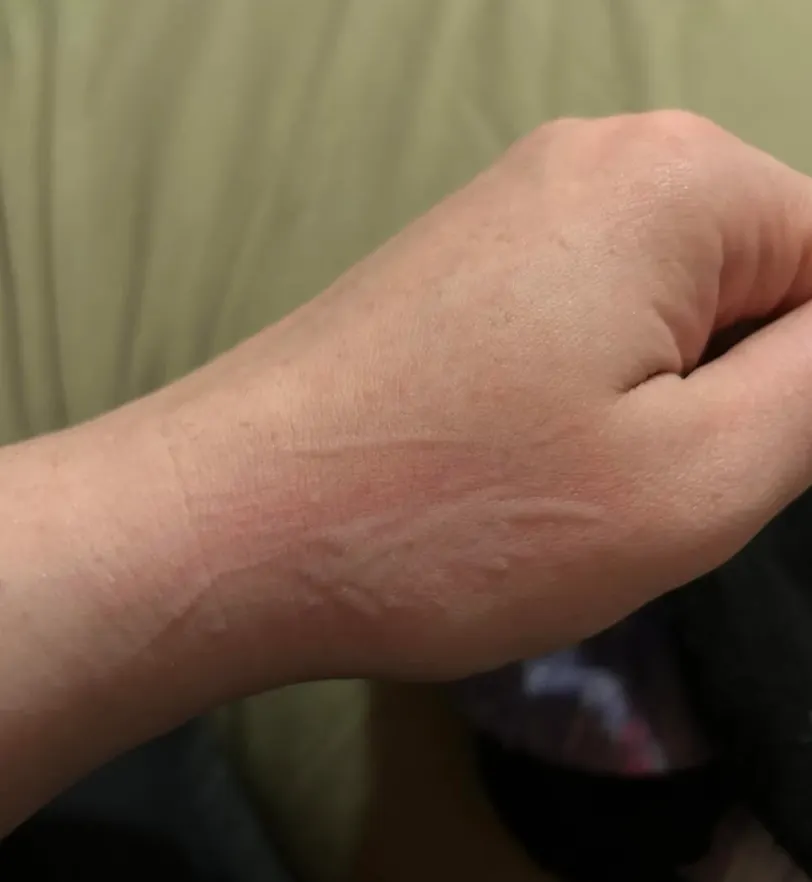
Everyone gets a red line when scratched hard. Dermatographia is when that line swells into a welt. How to tell normal from mild, moderate and severe, and why it matters.
Read the article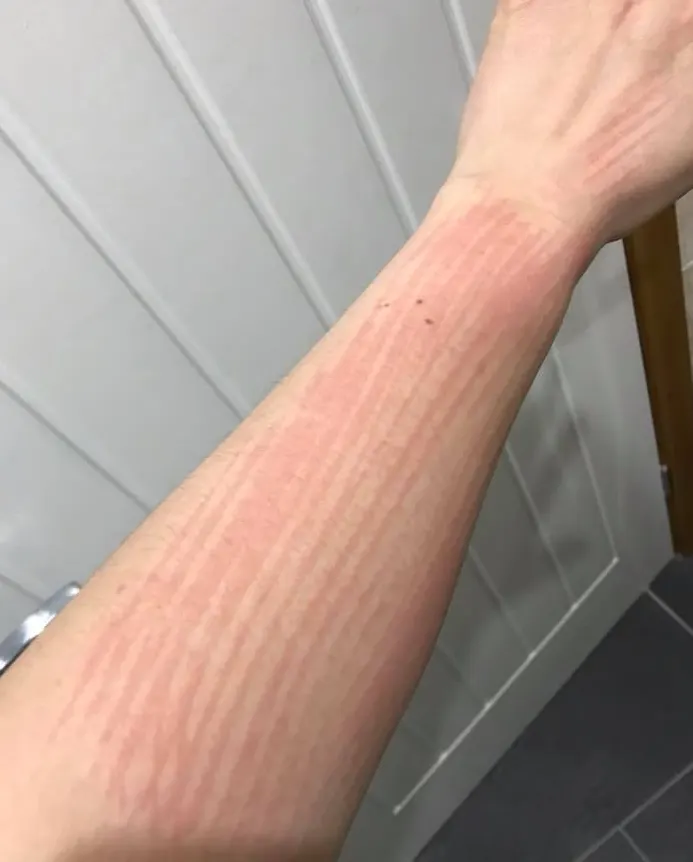
On brown and Black skin, dermatographia welts often look purple, brown or skin-coloured rather than red, so they get missed. How to spot them and describe them to a doctor.
Read the article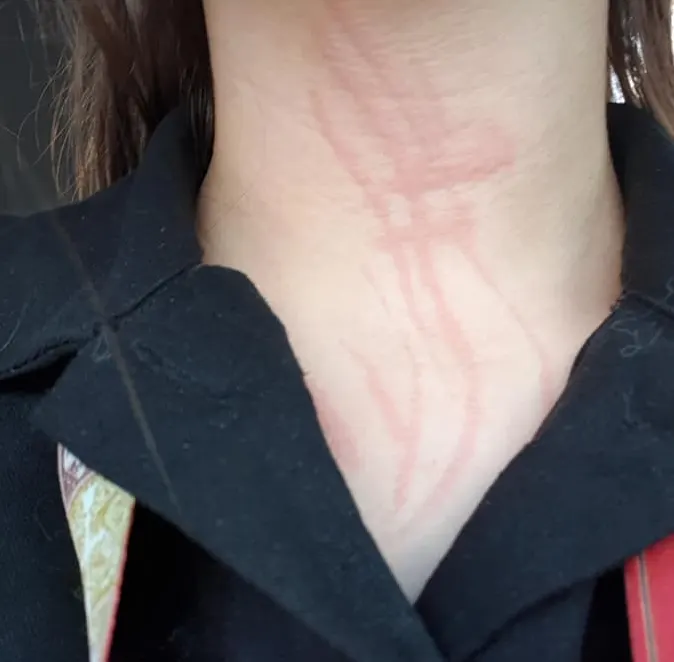
Why the most visible skin reacts fastest, what quietly causes it — glasses, collars, razors, cleansers — and how to keep marks off your face before a meeting.
Read the article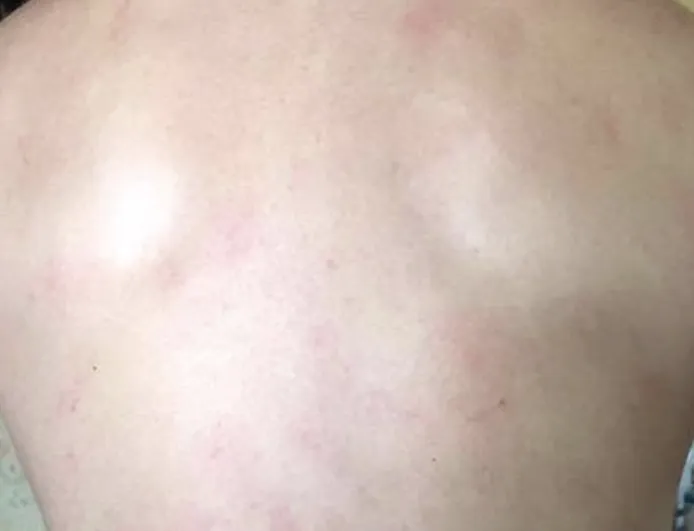
The cancer question, answered directly — what the evidence says, the rare red flags that do warrant a work-up, and what a doctor will actually check.
Read the article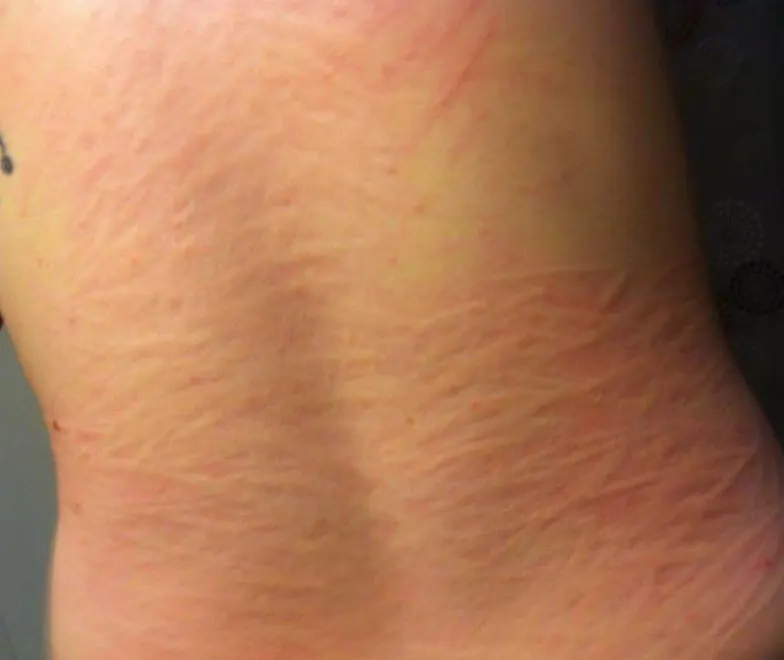
Most people describe itch, but a burning or stinging feeling is common too — what causes it, and when soreness means something other than dermatographia.
Read the article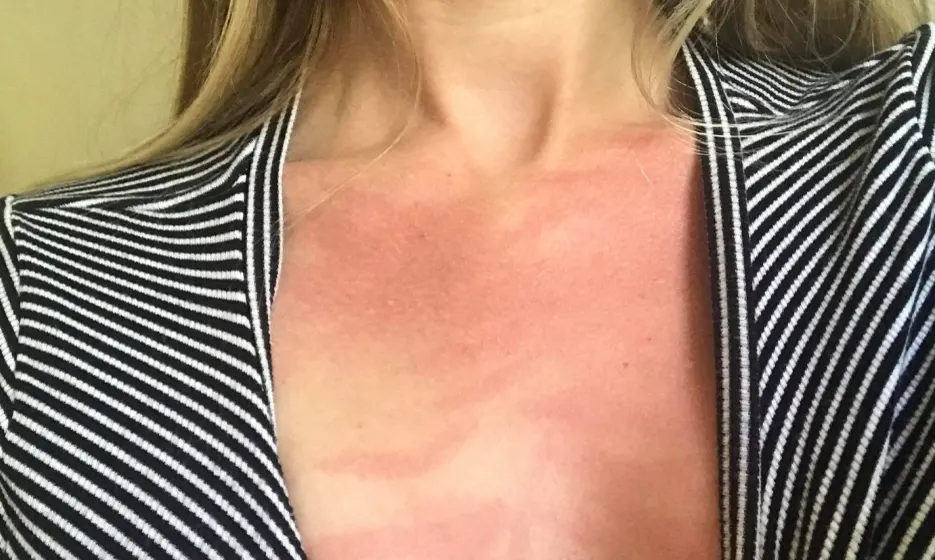
Stress does not give you dermatographia, but it reliably lowers the threshold at which your skin reacts — here is the mechanism and what actually helps.
Read the article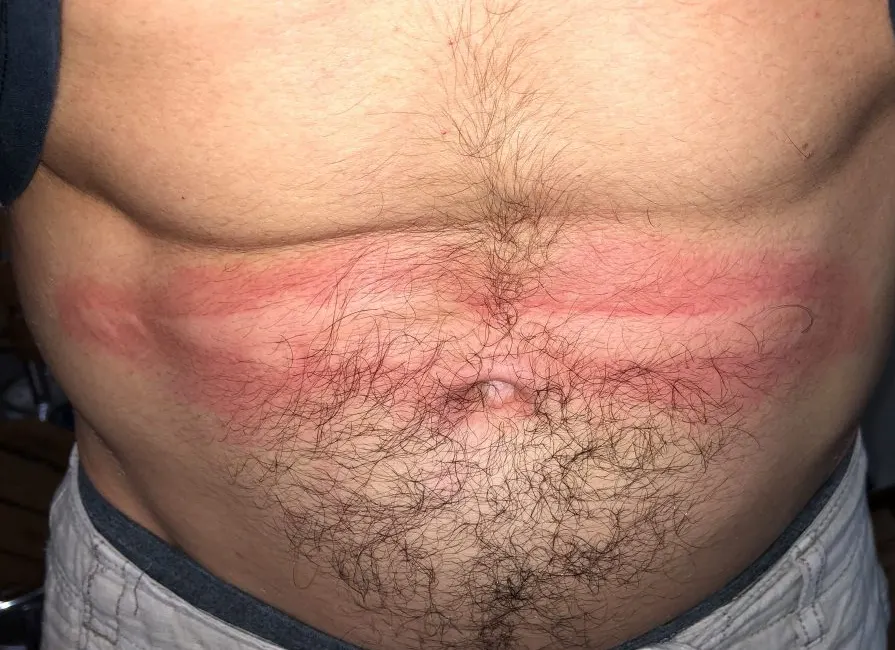
What to look for on the label, what quietly makes itching worse, and the honest limit of what any cream can do for skin writing.
Read the article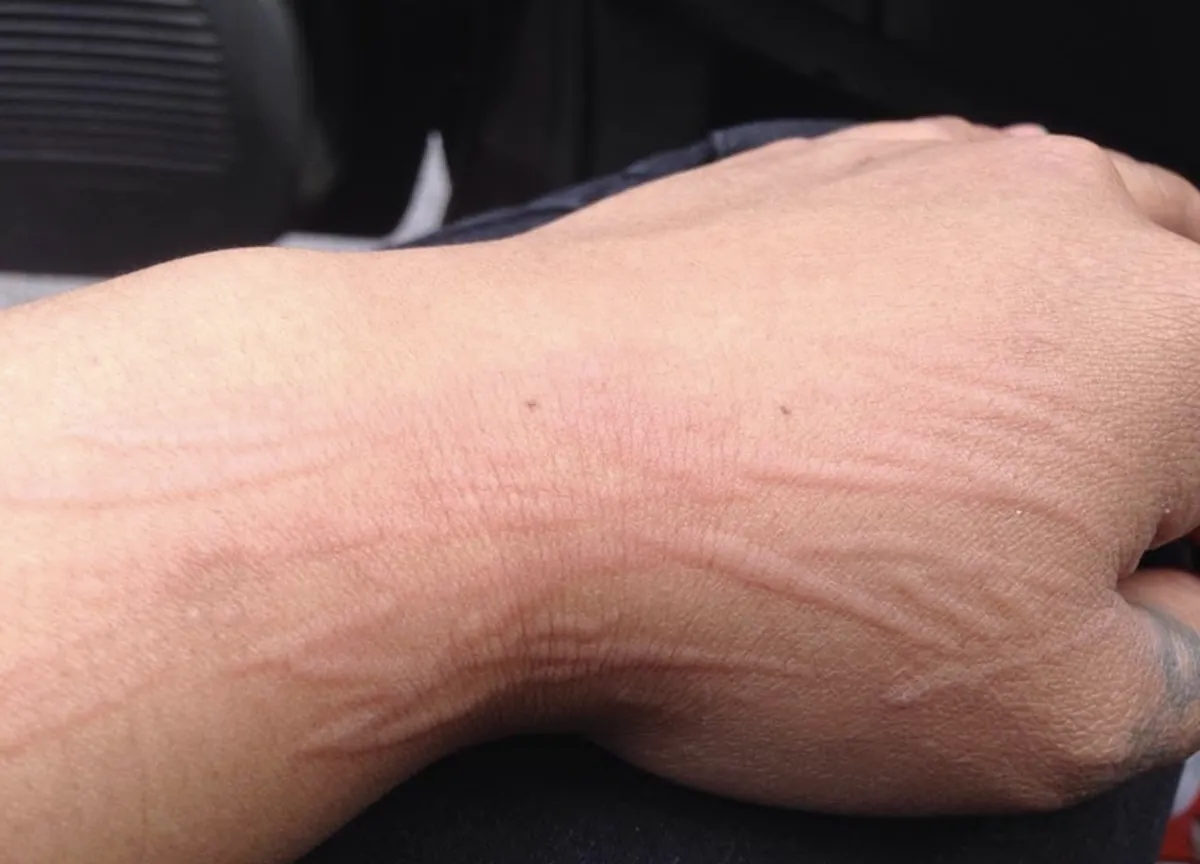
Why a curry, a glass of red wine, or a piece of aged cheese can leave you flushed and itching, even when you are not allergic to any of it.
Read the article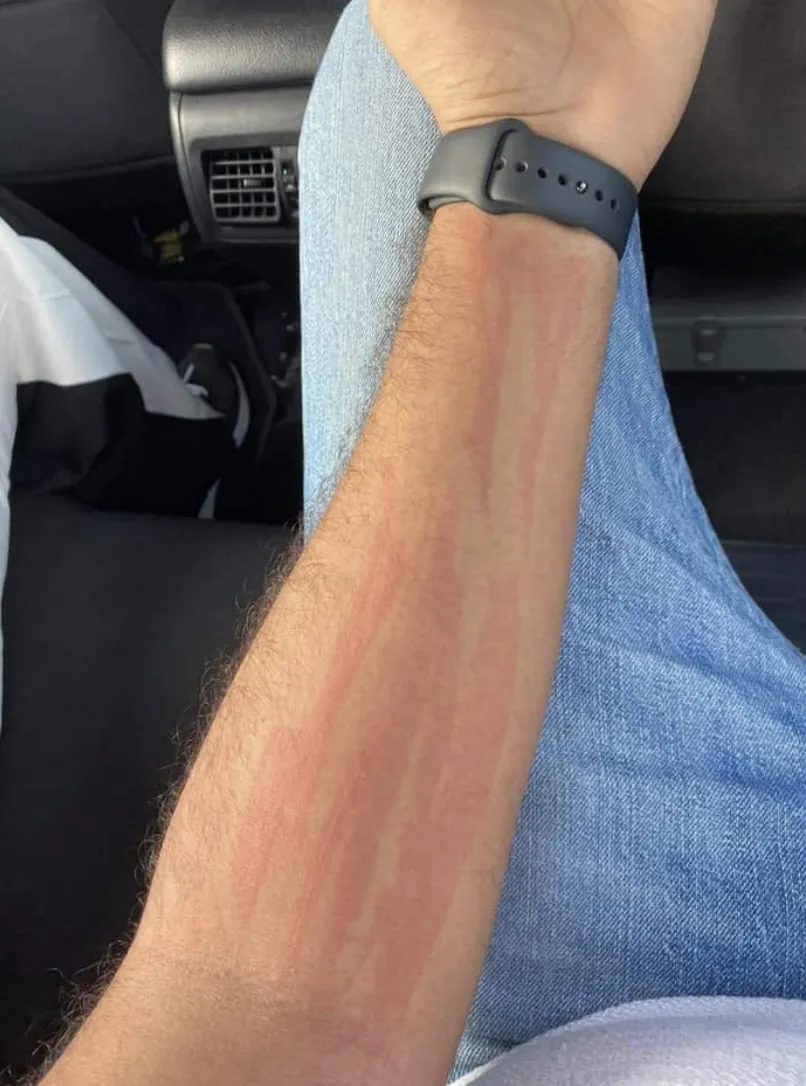
Not everyone gets a red raised welt. Some people get a pale line instead — here is what that reaction is and why it points somewhere different.
Read the article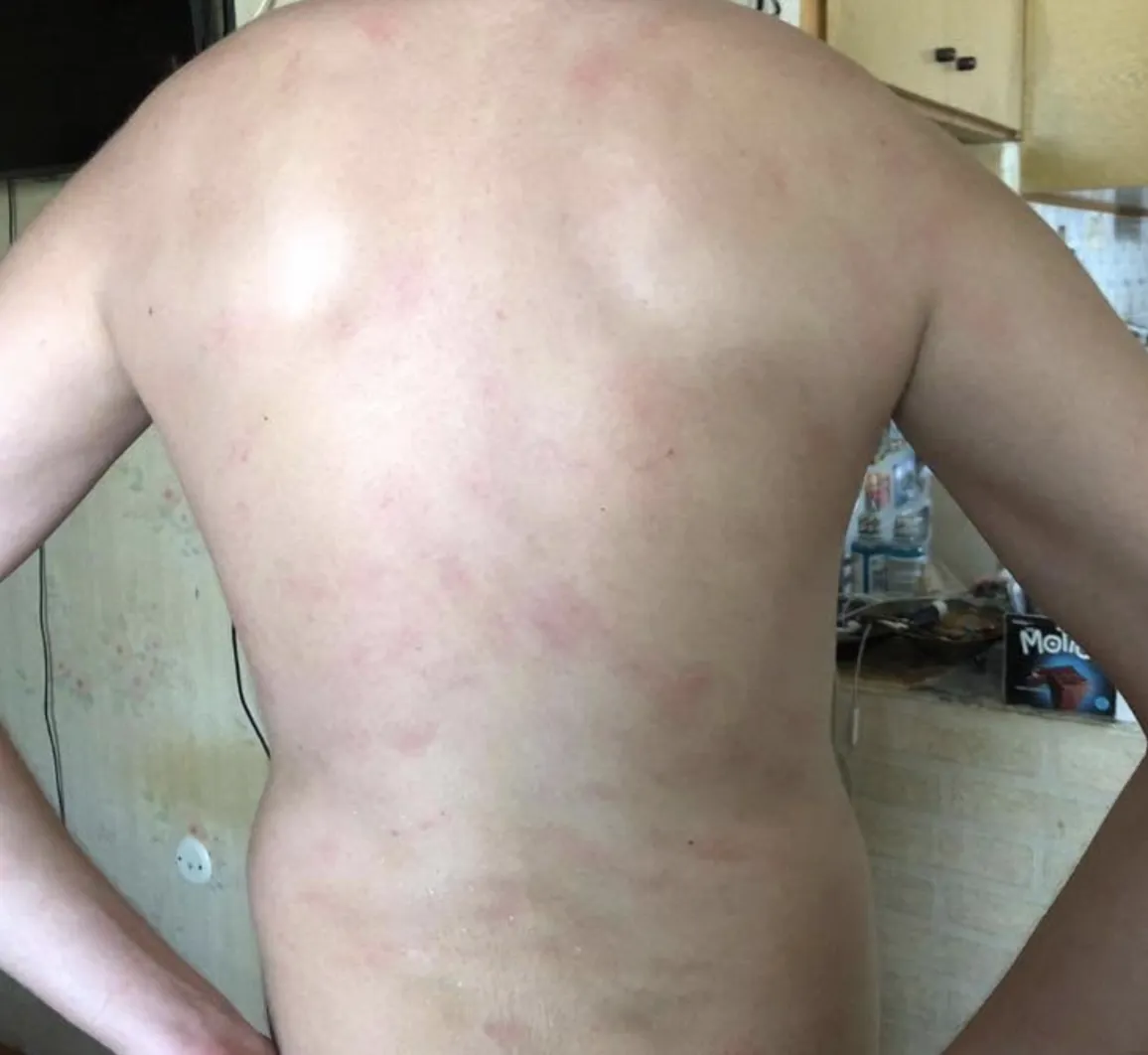
Mast cell activation syndrome comes up constantly in dermatographia communities. Here is what separates a reactive skin condition from a systemic one, and when a work-up is reasonable.
Read the article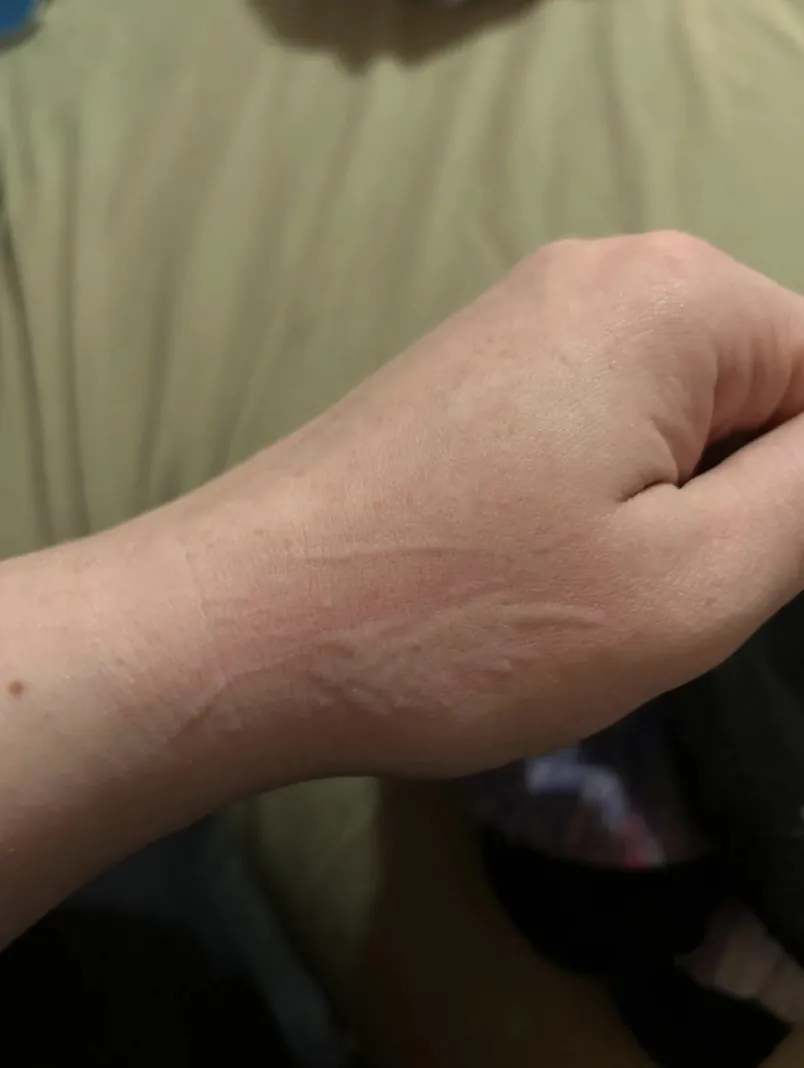
Whether skin writing runs in families, what the evidence actually supports, and what it means for your children.
Read the article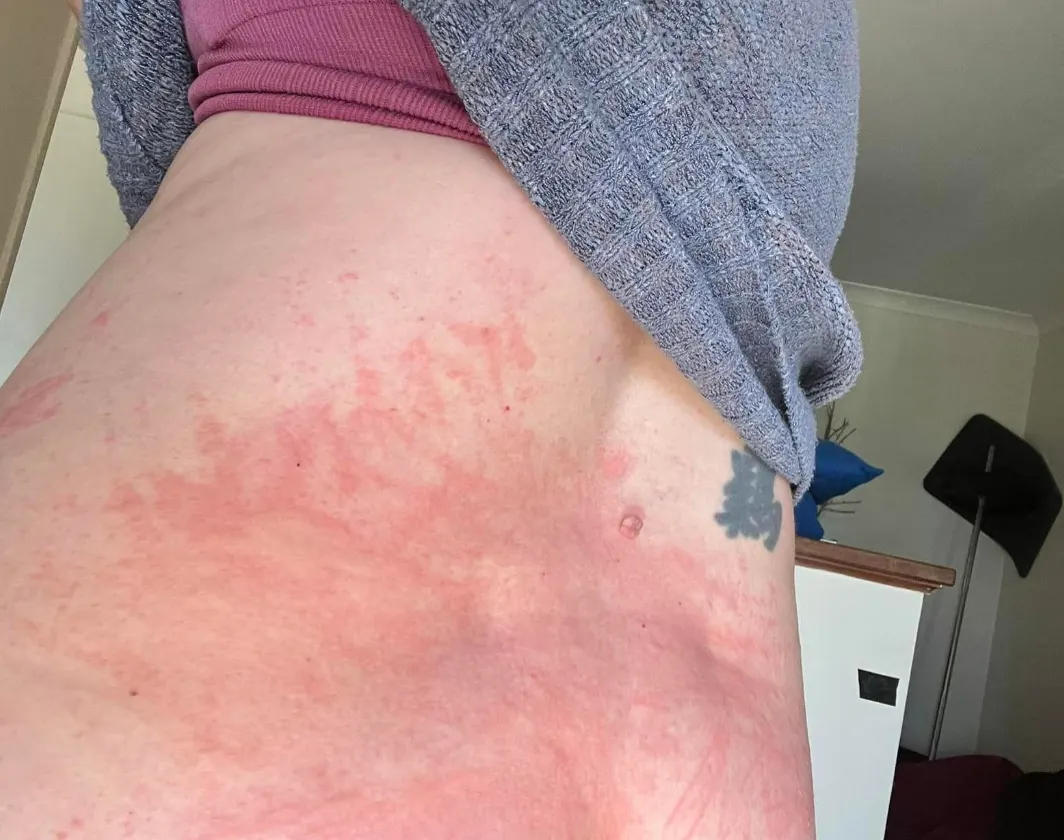
Why skin writing often shows up or gets louder around perimenopause, the week before a period, or during pregnancy — and what actually helps when the trigger is internal.
Read the articleSeven at-home fixes for dermatographia that work tonight: cool compresses, shower temperature, barrier cream, bedding and sleep, plus which natural supplements are worth it.
Read the article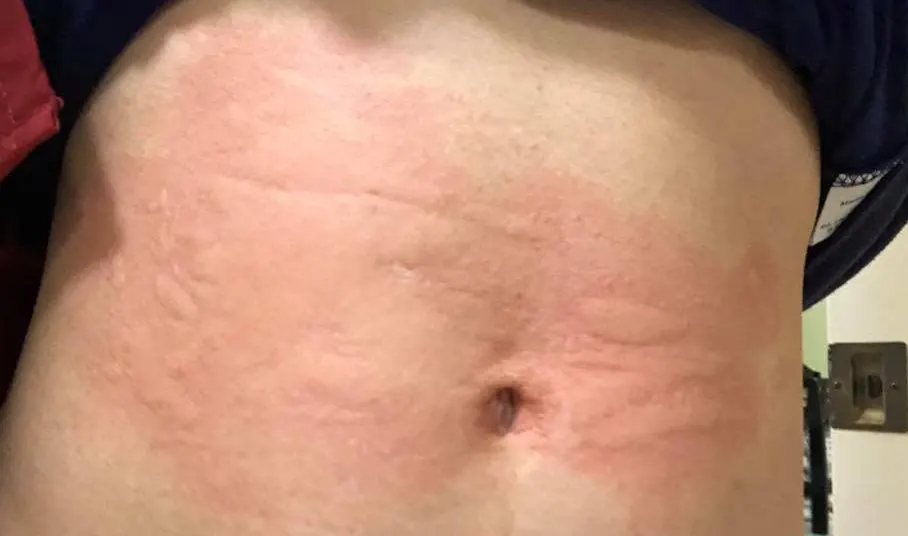
What happens when antihistamines stop being enough — chronic spontaneous urticaria, omalizumab, and what to actually ask a specialist.
Read the article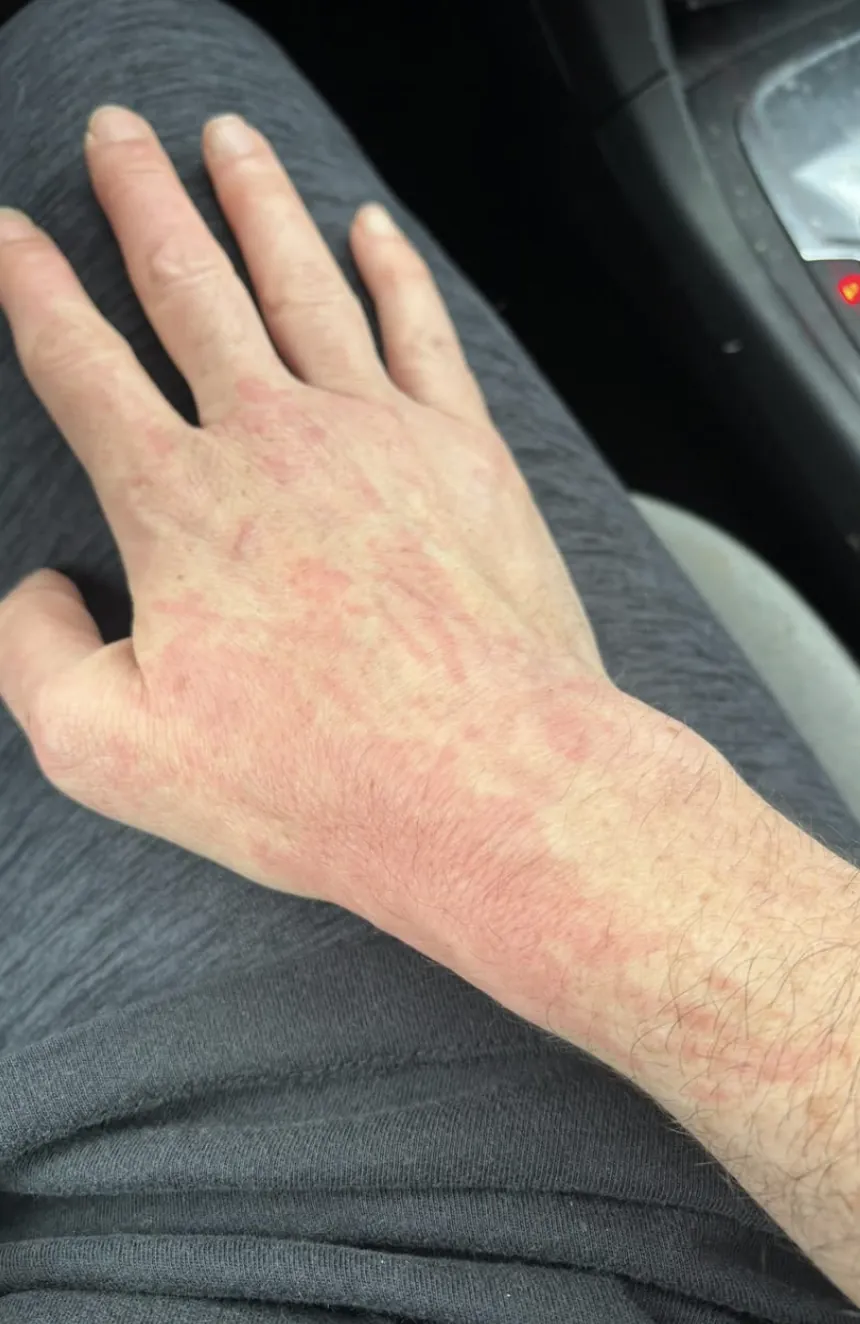
Not every mark left by a scratch is dermatographia. How to tell welts from pinpoint dots, bruising and infected follicles.
Read the articleOne stroke, one timer, one photo. The simple test clinicians use, how to run it on yourself, and how to read the result honestly.
Read the article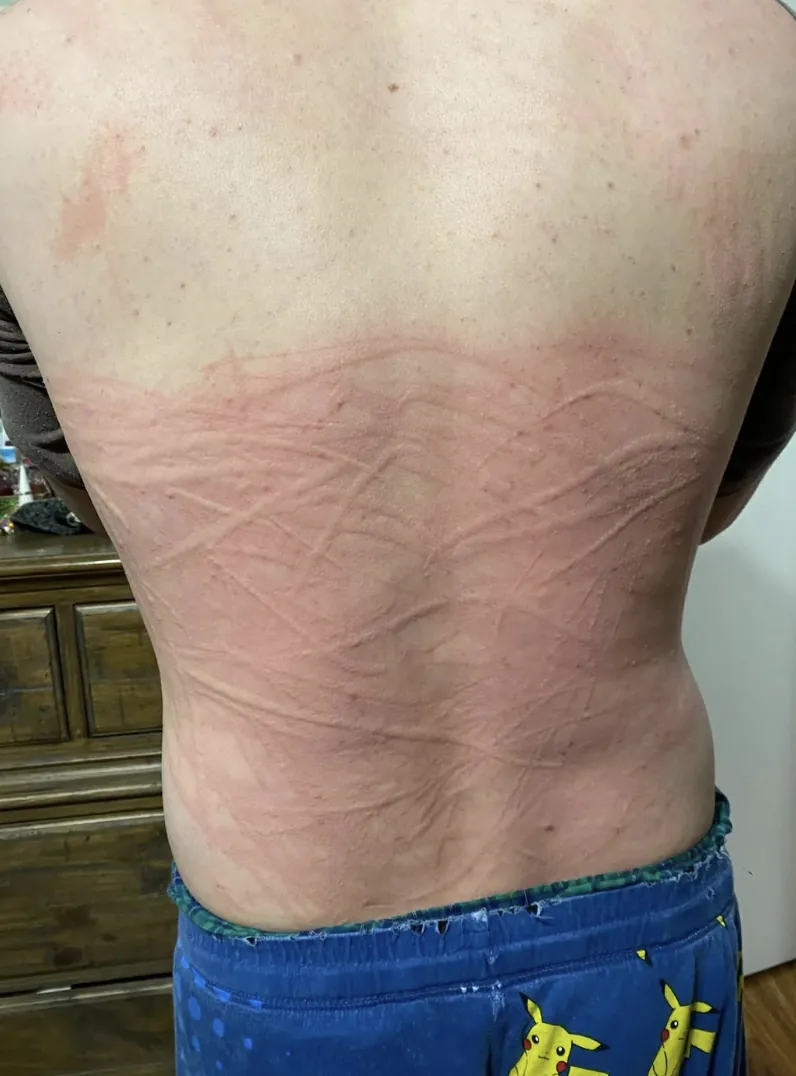
Cortisol falls, skin warms, and your body scratches while you sleep. The evening is stacked against you — here is what actually changes it.
Read the article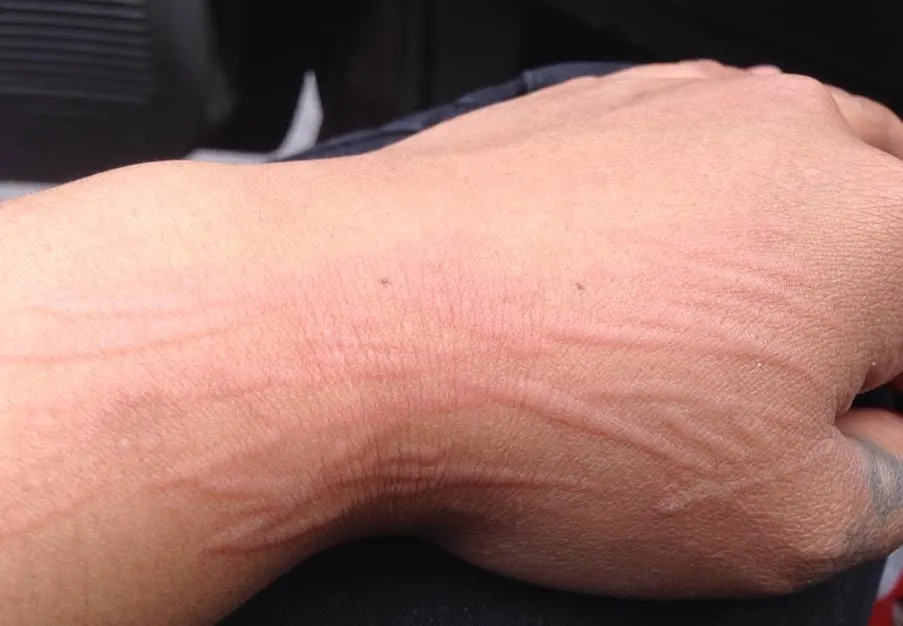
Cetirizine, loratadine, fexofenadine, hydroxyzine — what each one actually does for skin writing, and why the tablet you pick matters less than how consistently you take it.
Read the article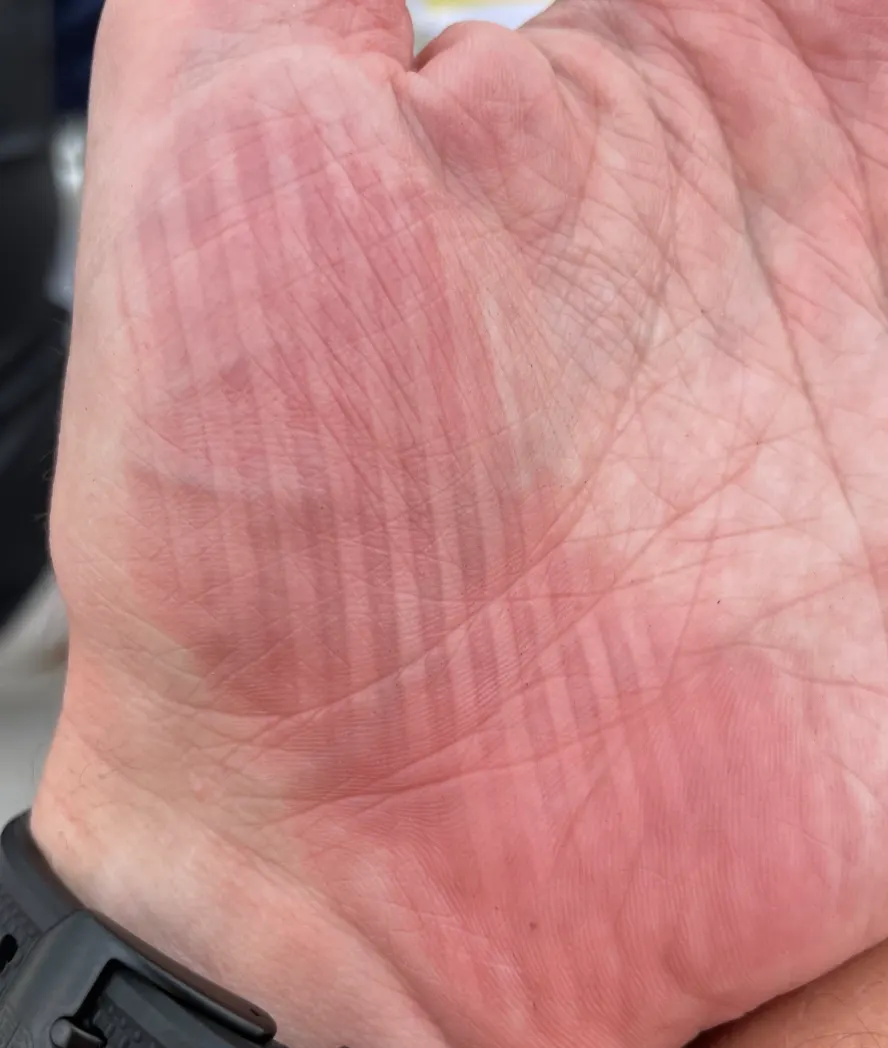
Dermatographia isn't rare: roughly 2 to 5 percent of people can raise a welt on their skin. Far fewer have the itchy version. Here is how the numbers break down.
Read the articleSometimes yes, often not quickly, and here is what the timelines actually look like from someone twenty years in.
Read the article
Dermographism, dermatographism, urticaria factitia — one condition, a dozen spellings, one ICD-10 code (L50.3). What each name means, and where to read the full guide.
Read the articleWhich foods genuinely provoke itchy skin, which are unfairly blamed, and how to test your own list without cutting out half your diet.
Read the articleThe scratch is over in a second, the redness lasts an hour. Here is the chain reaction behind it and what actually shortens it.
Read the articleYou scratched once and a raised red line appeared. Here is what that line is, why it itches, and how to tell it apart from everything else it could be.
Read the article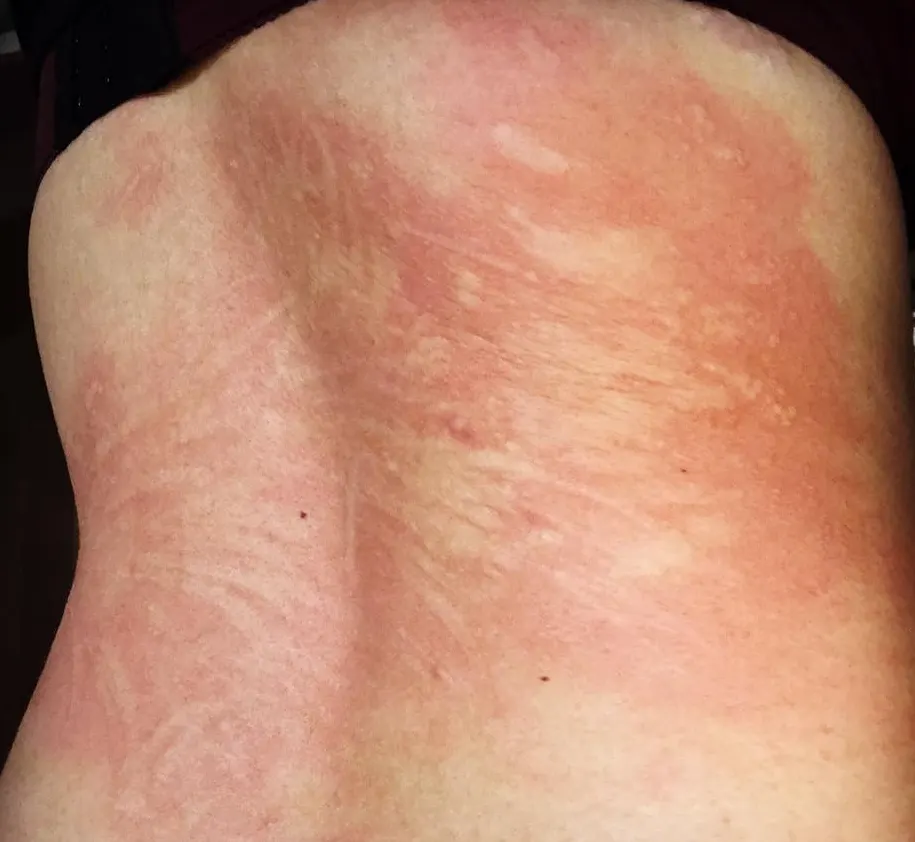
Four conditions that get mistaken for skin writing, and the four questions — timing, shape, trigger and location — that separate them.
Read the article
Dermatographism, dermographism, urticaria factitia, symptomatic dermographism — and the misspelling 'dermatography'. All the names, decoded.
Read the article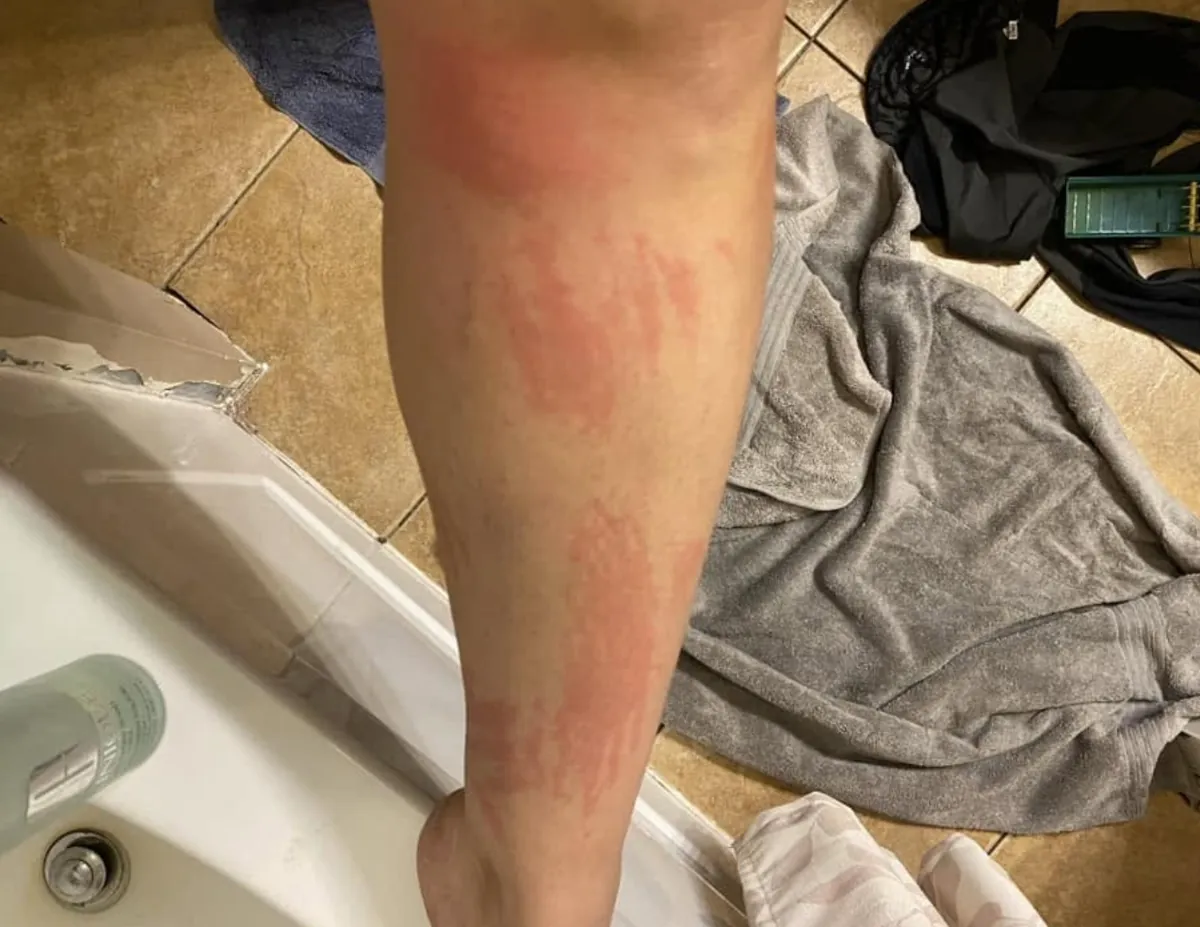
The itch is usually worse than the welt looks. Here is the histamine–nerve loop behind it, and the things that genuinely break the cycle.
Read the articleNo — dermatographia doesn't scar, damage organs or signal cancer. But a few symptoms are not dermatographia and need urgent care. Here is where the line sits.
Read the articleWhy a bra band or backpack strap leaves an hour-long welt, and the small equipment changes that remove most of them.
Read the article
Post-viral skin writing is a common story. What is known, what is speculation, and how management differs — if at all.
Read the article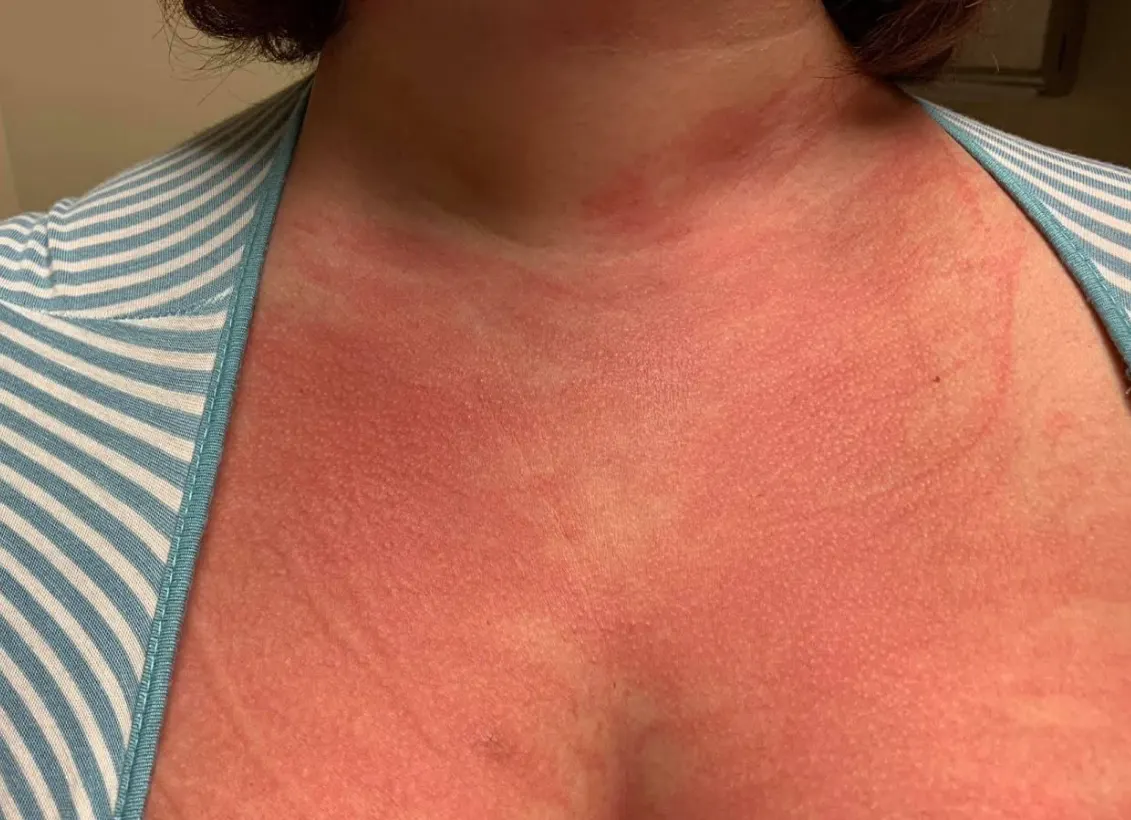
Raised lines that appear seconds after a scratch are not damage — they are a histamine response. Here is how to break the loop.
Read the articleTattooing is sustained mechanical trauma to reactive skin. What to expect, what to ask your artist, and how healing differs.
Read the articleWhat 'cured' actually means with skin writing, what remission looks like, and the honest odds based on the research and two decades of living with it.
Read the article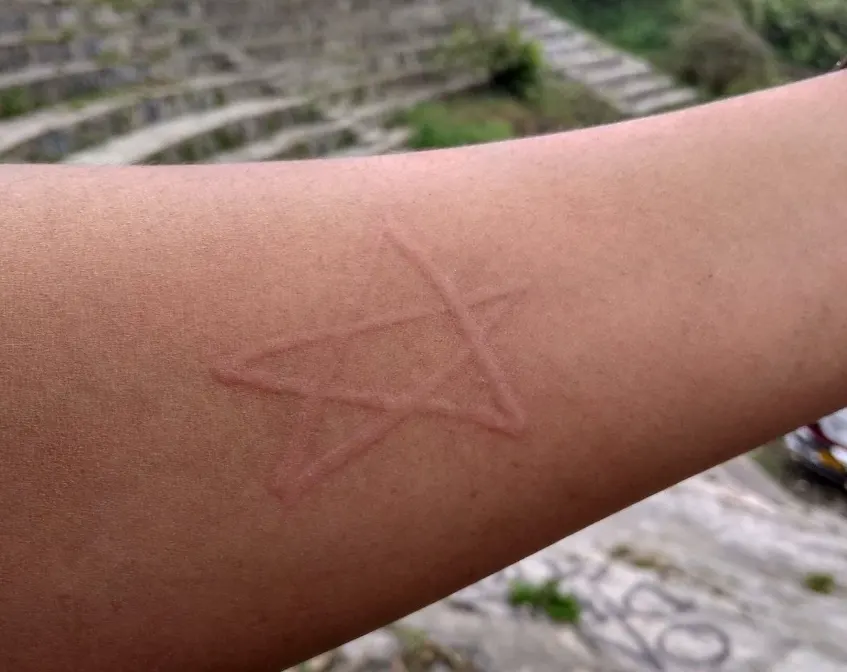
A typical flare timeline, what makes it longer, and what shortens it.
Read the articleA practical look at histamine load, alcohol, common trigger foods, and how to test a diet change without wrecking your life over it.
Read the article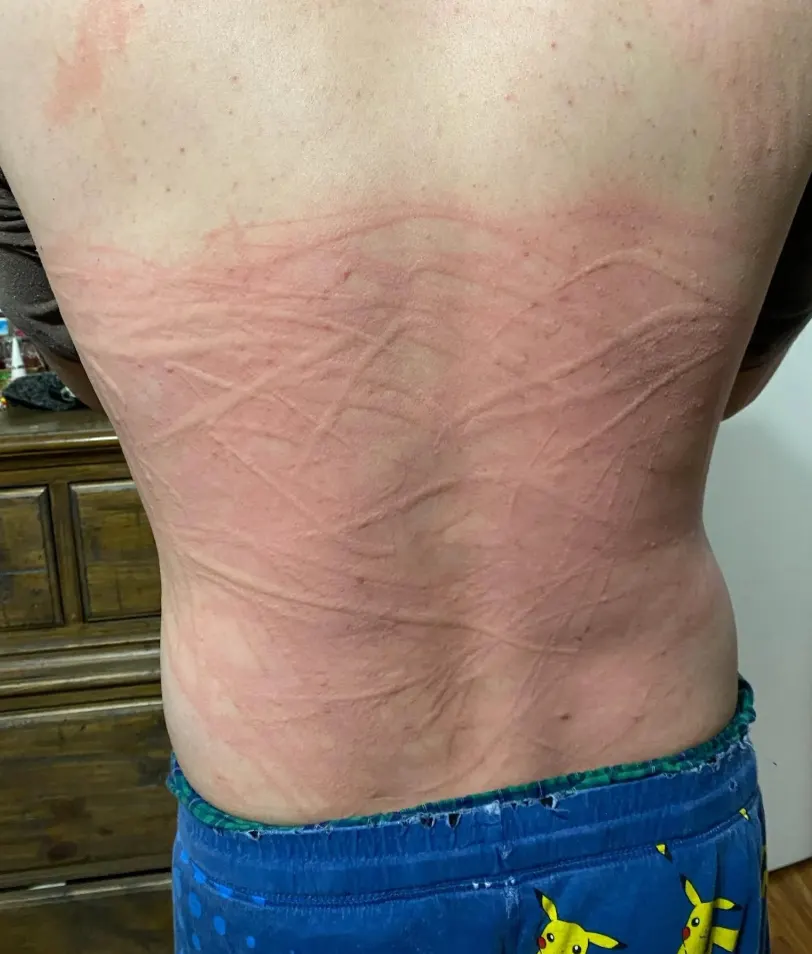
Every dermatographia treatment compared — antihistamines, barrier care, friction control and second-line options — assembled into three plans by severity.
Read the article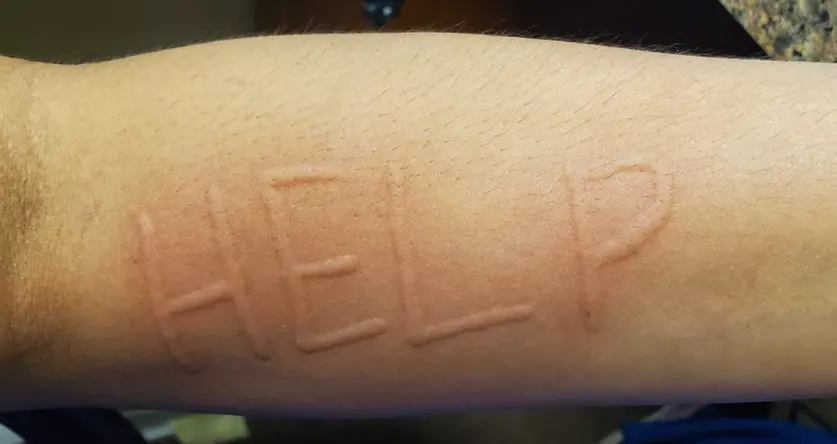
Skin writing, skin writing hives, writing on skin — the condition behind the name, what it looks like in real photos, and how it is treated.
Read the articleThe mast cell mechanism, why the condition starts, and the everyday triggers that decide whether today is a flare day.
Read the article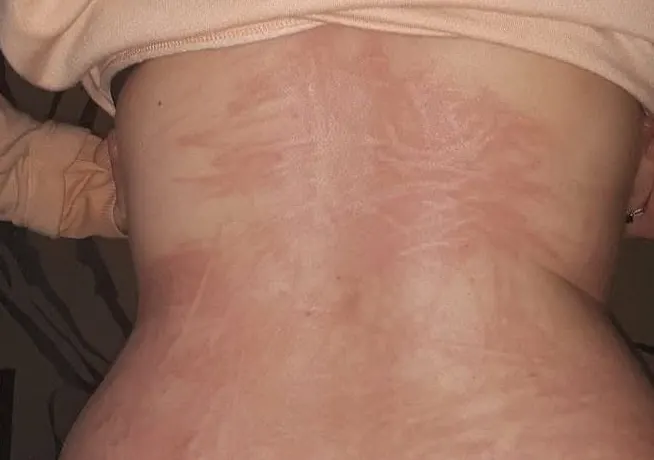
What dermatographia symptoms look like in real photos, how fast welts rise and fade, where they show up first, and the red flags that mean it is something else.
Read the article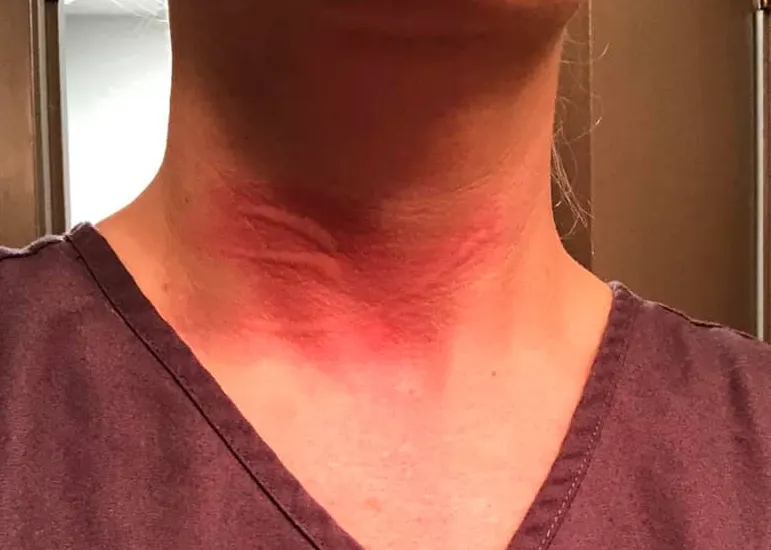
Skin that was fine a month ago now welts at a fingernail. Here is what typically changes, and what is worth mentioning to a clinician.
Read the articleBoth are urticaria, but one is drawn onto the skin by pressure and the other appears on its own.
Read the article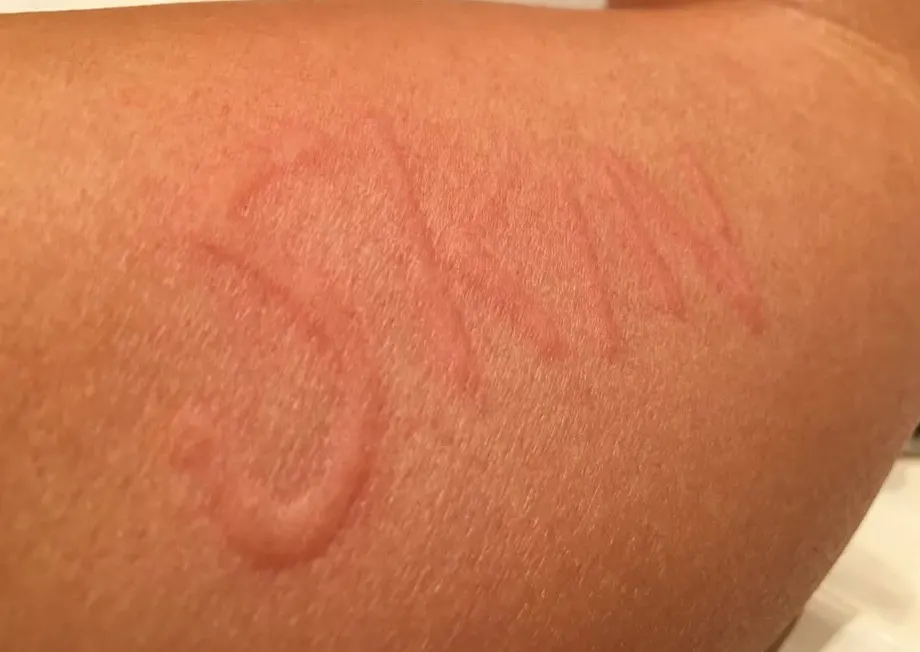
Dermatographia in full: what it is, who gets it, how it is diagnosed, and what living with skin writing actually looks like.
Read the articleFabric is a physical intervention. Here is what to keep, what to replace, and what to check first.
Read the articleTwo receptor families, two different jobs — and why a clinician sometimes adds a second tablet.
Read the articleWhy a light scratch turns into a raised red line within minutes — the mast cell chain reaction in plain language.
Read the article