Why Dermatographia Is Worse at Night
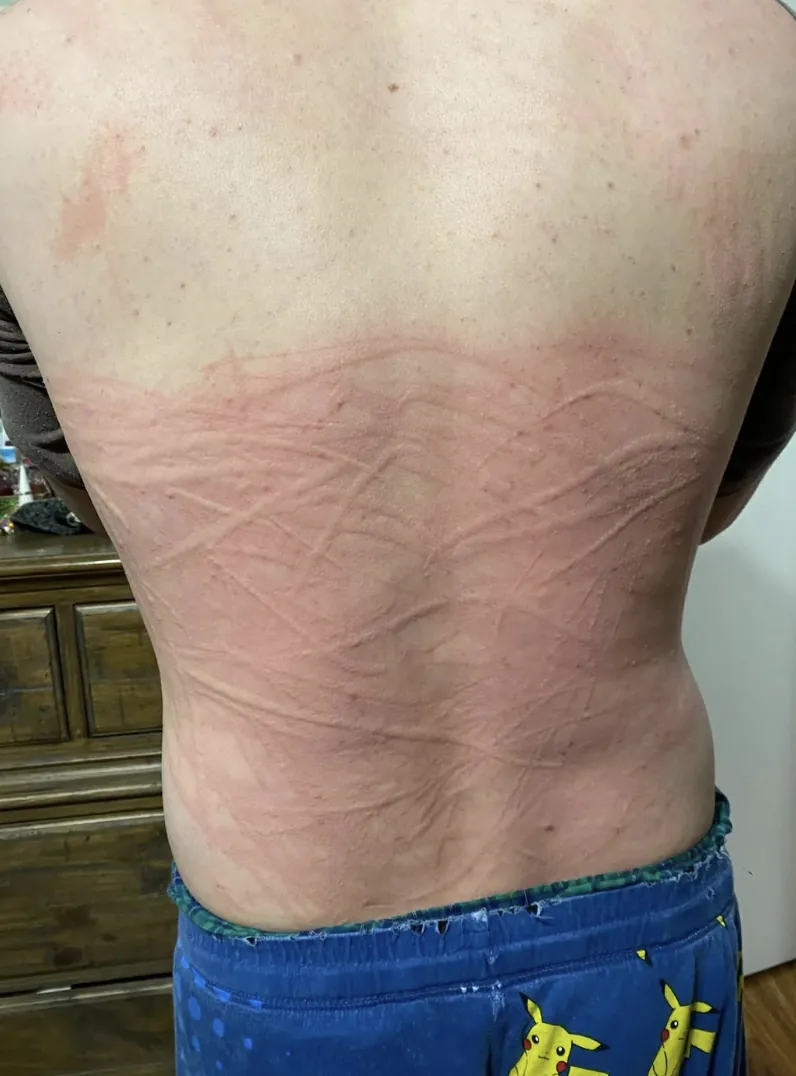
Short answerDermatographia typically feels worse at night because natural cortisol — the body's own anti-inflammatory brake — drops in the evening, skin temperature rises under bedding, and there is nothing left to distract you from the itch. Scratching during sleep then keeps the cycle going until morning.
It is not in your head — the timing is biological
Almost everyone with itchy skin reports the same thing: the day is manageable and the evening is not. That pattern is real and it has several overlapping causes, none of which are about willpower.
Cortisol follows a daily rhythm, peaking shortly after you wake and falling to its lowest point in the late evening and early night. Cortisol suppresses inflammation. As it drops, the natural brake on your histamine response eases off at exactly the hour you finally lie still.
Skin temperature rises before you fall asleep
Falling asleep requires your body to shed core heat, and it does this by pushing blood into the skin. Your skin gets warmer, the surface vessels widen, and warm dilated vessels are precisely the conditions that make a wheal rise higher and itch harder.
Add a duvet and the effect compounds. A room a couple of degrees cooler, and lighter bedding, does more for night-time symptoms than most people expect from something so undramatic.
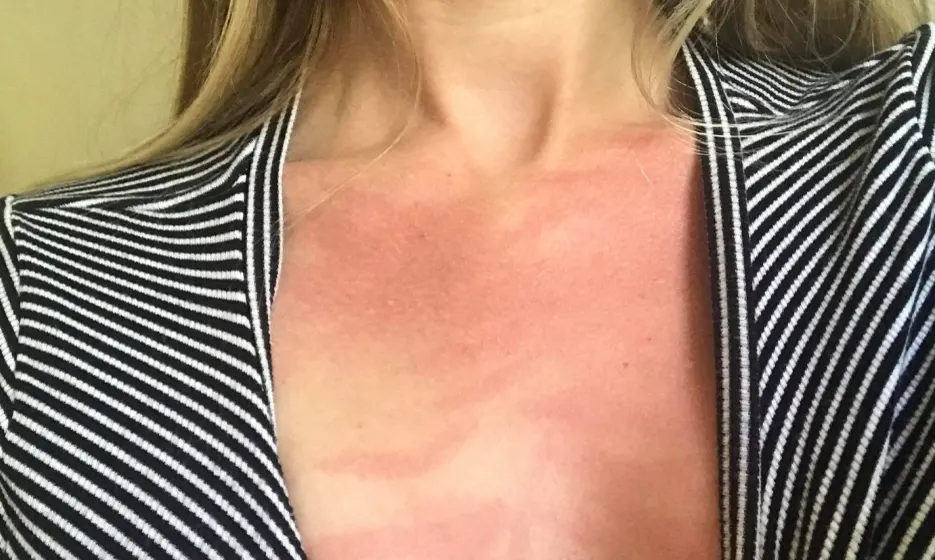
The friction you cannot see
You move dozens of times a night. Every roll drags skin against a sheet, a seam, a waistband. During the day you would notice and adjust; asleep, you simply keep grinding the same shoulder into the mattress for hours.
This is the reason so many people wake with marks that map exactly to bedding folds or pyjama seams, and why smoother fabrics and looser nightwear are one of the few changes that show up the very first night.
- Smooth, cool-sleeping sheets rather than brushed or textured cotton.
- Loose nightwear with flat seams, or none at all.
- Nails filed short so unconscious scratching does less damage.
- Cotton gloves for a week if you wake to broken skin.
Nothing left to distract you
Itch perception is heavily modulated by attention. All day your brain has meetings, screens, conversations and noise competing for bandwidth. At 11pm in a dark quiet room, the only signal left is your skin.
That does not mean the itch is imaginary — the histamine is genuinely there. It means the same amount of histamine produces far more suffering when there is nothing else to attend to. This is why a podcast or an audiobook at low volume genuinely helps some people get to sleep, and why lying there focusing on not scratching almost never does.
An evening routine that stacks the odds
None of these are cures. Together they change how the night goes, and the difference compounds because a better night means less scratched, less reactive skin the following day.
| When | What | Why it helps |
|---|---|---|
| Same time daily | Take your antihistamine so cover peaks overnight | A steady blockade in place before cortisol falls. |
| Evening | Lukewarm, short shower — not hot | Hot water strips the barrier and leaves skin dilated and itchier. |
| After showering | Fragrance-free ceramide moisturiser on damp skin | A better barrier means less baseline irritation overnight. |
| Bedroom | Cooler room, lighter bedding | Lower skin temperature keeps wheals flatter. |
| In bed | Cool compress on the worst patch for a few minutes | Constricts dilated vessels and blunts the itch signal. |
When night symptoms mean something more
Waking with itch most nights, for weeks, is not something to just absorb. Persistent night-time itch that disrupts sleep is one of the things clinicians use to gauge how active a urticaria is, and it is a legitimate reason to review treatment.
Get medical attention urgently if night symptoms come with swelling of the lips, tongue or throat, or any difficulty breathing — that is a different and more serious situation than dermatographia.
Find out what's driving your dermatographia
Answer 12 quick questions and get a personalized severity score, your top drivers, and a staged 30-day plan built around your own skin.
Get My Dermatographia ScoreFrequently asked
- Why is my dermatographia so much worse at night?
- Evening cortisol falls, skin warms as your body prepares for sleep, bedding creates constant friction, and there is nothing competing for your attention. All four push in the same direction at the same hour.
- Does moving my antihistamine to bedtime help night-time symptoms?
- Most second-generation antihistamines last around 24 hours, so timing matters less than consistency. If your symptoms are clearly night-dominant, ask a clinician whether shifting the dose to the evening suits you better.
- Does a cooler bedroom really help?
- Many people find it does. Warm skin has dilated vessels, which makes wheals rise higher and itch more, so lowering room temperature and using lighter bedding directly targets one of the mechanisms.
- How do I stop scratching in my sleep?
- You cannot fully control it, so reduce the damage instead: keep nails filed short, use smooth bedding, moisturise before bed, and consider soft cotton gloves during a bad stretch.
- When is night-time itch worth a doctor's visit?
- When it is costing you sleep more than a couple of nights a week. Sleep loss is the part of this condition that does measurable damage, and it is a concrete thing to bring to an appointment rather than a vague complaint about itching.
Sources
Clinical background on this page is checked against the following published sources. My own experience and interviews are labelled as such in the text.