Rash From Scratching: Why Your Skin Swells When You Scratch
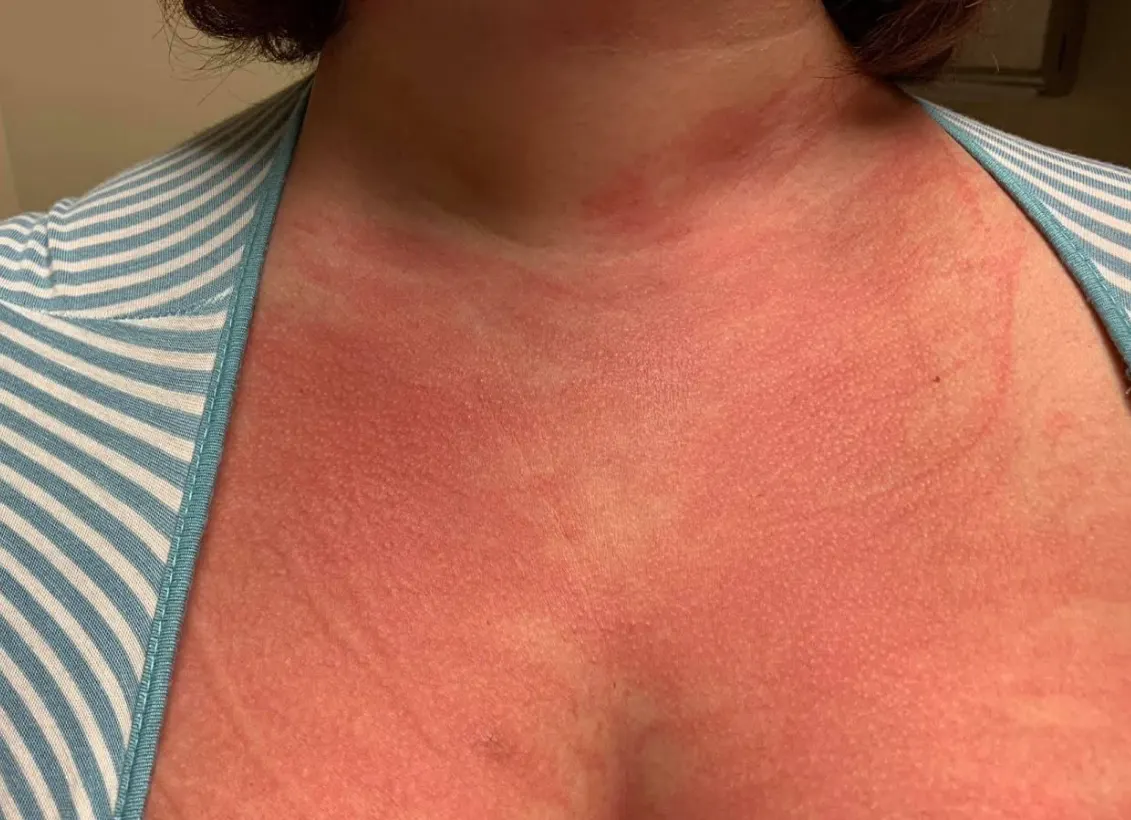
Short answerIf your skin swells into raised lines seconds after scratching, that is the wheal-and-flare response of dermatographia rather than skin damage. The fix is breaking the itch-scratch loop: preventive antihistamines, cooling instead of scratching, short nails, and barrier moisturiser.
Scratching does not cause the rash — it releases it
The nail does not injure the skin. It applies enough mechanical force to make already-sensitive mast cells release histamine, and the resulting swelling traces the scratch. That is why the line is perfectly shaped and why it disappears without a mark.
The loop that keeps it going
Histamine causes itch. Itch causes scratching. Scratching causes more histamine. Left alone, a single scratch can become an hour of spreading welts across a whole limb or back.
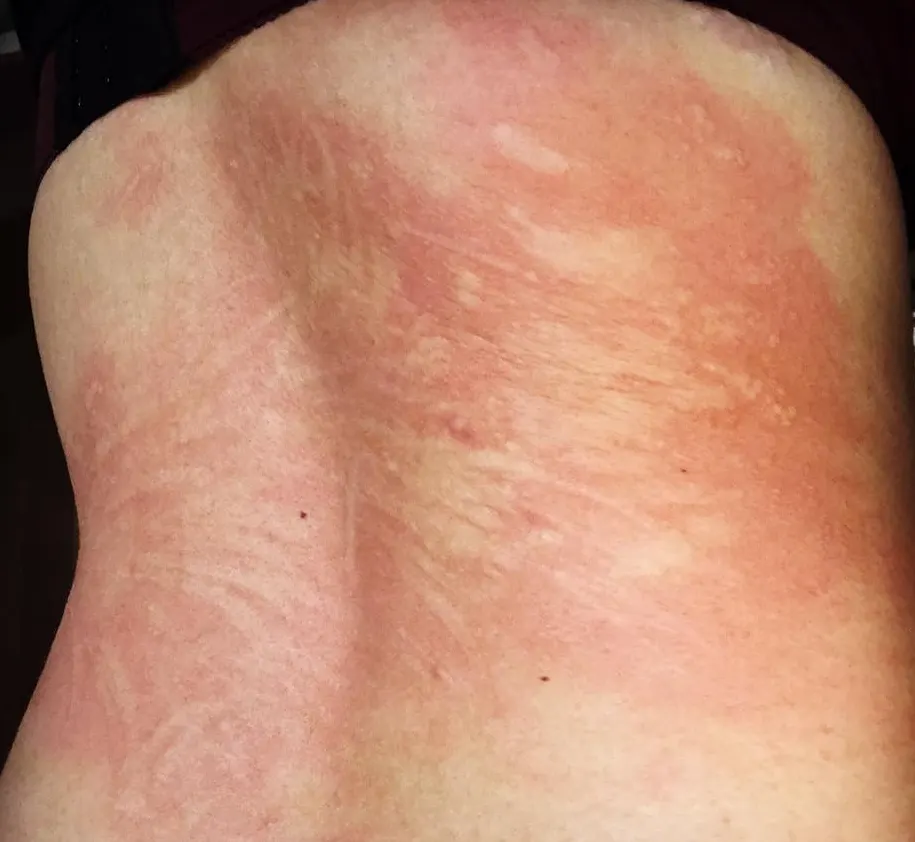
Six ways to interrupt it
Each of these removes force or itch from the loop rather than fighting willpower.
- Apply a cool compress for 60 seconds instead of scratching.
- Press flat with a palm rather than dragging with nails.
- Keep nails filed short — the same reflex then delivers far less force.
- Moisturise twice daily so the itch starts later.
- Take the preventive antihistamine your clinician agreed, at a consistent time.
- Wear a soft seamless base layer so clothing stops re-triggering the area.
When it is not dermatographia
Get a clinical review if the marks last more than 24 hours, bruise, blister, leave brown pigment, or come with fever or joint pain. Those features point to other conditions rather than simple skin writing.
Why ice works better than most people expect
Cold reduces nerve conduction speed for itch signals and constricts the very vessels histamine dilates, which is why a cool compress interrupts a flare faster than almost anything else you can do without medication. Keep a reusable gel pack in the fridge specifically for this rather than relying on a rushed run to the freezer mid-itch.
Training the reflex out of the loop
Because scratching becomes automatic, many people find it useful to keep hands occupied during known trigger moments, such as squeezing a stress ball during a stressful meeting, or wearing thin gloves at night if scratching happens in sleep.
A practical daily and nightly routine
During the day, keep a small reusable cool pack somewhere accessible — a desk drawer, a bag pocket — so you can reach for cold instead of nails the moment an itch starts. Pair your antihistamine with an existing habit like breakfast so it never gets forgotten. Moisturise straight after any shower while the skin is still damp, which locks in more benefit than applying to dry skin later.
At night, keep the bedroom on the cooler side, choose breathable, seamless nightwear, and keep nails short and filed smooth before bed since most people scratch at least a little in their sleep without realising it. A few weeks of this combination, done consistently, tends to reduce both how often the itch-scratch loop starts and how far it spreads once it does.
What didn't work for me
I spent a long time trying to simply 'resist the urge' to scratch through willpower alone, which almost never worked in the moment — an itch that's actively rising is a hard thing to ignore. What worked much better was removing the option in the first place: shorter nails, a cool compress within reach, and clothing that didn't restart the itch every time I moved.
Common myths about scratching and rashes
A few ideas don't match how this actually works: that the rash proves the skin has been damaged by scratching (it hasn't, in typical dermatographia — no injury occurred), that scratching harder gets rid of the itch faster (it usually prolongs it by releasing more histamine), and that the itch is 'all in your head' because there's often little to see beforehand (the itch precedes the visible wheal because the histamine release itself causes it).
What to expect after a few weeks of practising the routine
Most people notice the loop breaking gradually rather than all at once — fewer scratch sessions turning into wider flares, and a shorter time for any given itch to settle once you reach for a cool compress instead of nails. It's a habit change as much as a medical one, so give it a genuine few weeks before deciding whether it's helping.
Related reading
If this was useful, these go deeper on the questions people ask next.
Find out what's driving your dermatographia
Answer 12 quick questions and get a personalized severity score, your top drivers, and a staged 30-day plan built around your own skin.
Get My Dermatographia ScoreFrequently asked
- Why do I get red lines when I scratch but no rash otherwise?
- That pattern is classic dermatographia: the reaction is triggered by mechanical pressure, so it only appears where skin was stroked or scratched.
- How do I stop itching at night?
- Cool the room, use breathable seamless nightwear, moisturise before bed, and discuss evening antihistamine timing with your clinician.
- Why does scratching one spot make an entirely different area itch?
- This is a known phenomenon called referred or 'satellite' itching, thought to involve nerve signalling spreading beyond the immediate area of histamine release; it is not fully understood but is commonly reported.
- Does scratching in my sleep count as a trigger I can control?
- Not directly, but reducing daytime itch with antihistamines and moisturiser lowers how much scratching happens overnight, and short nails or light gloves can limit the damage when it does.
- Is it normal to scratch in my sleep without remembering?
- Yes, this is very common and often explains morning flares that seem to appear from nowhere. Short nails and breathable nightwear reduce the impact even if you can't stop the reflex itself.
- When is a rash from scratching more than dermatographia?
- If the marks last beyond a day, break the skin, weep or crust, or come with fever or joint pain, that is outside the usual pattern and needs looking at. Dermatographia marks rise fast and settle within an hour or two.
Sources
Clinical background on this page is checked against the following published sources. My own experience and interviews are labelled as such in the text.