The Best Lotions and Moisturizers for Dermatographia
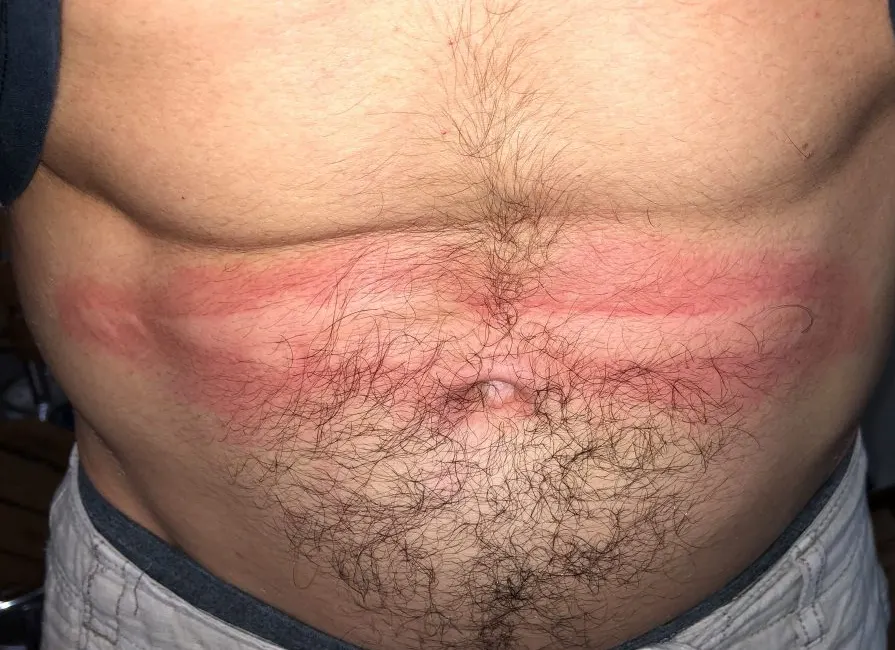
Short answerNo lotion stops dermatographia — the welts come from mast cells below the surface, not from dry skin. What a good moisturizer does is reduce the background itch that makes you scratch in the first place, which is where most flares actually start. Look for fragrance-free creams or ointments with ceramides, glycerin, or colloidal oatmeal, apply to damp skin twice a day, and avoid anything with fragrance, essential oils, alcohol, or menthol.
Be clear about what a cream can and cannot do
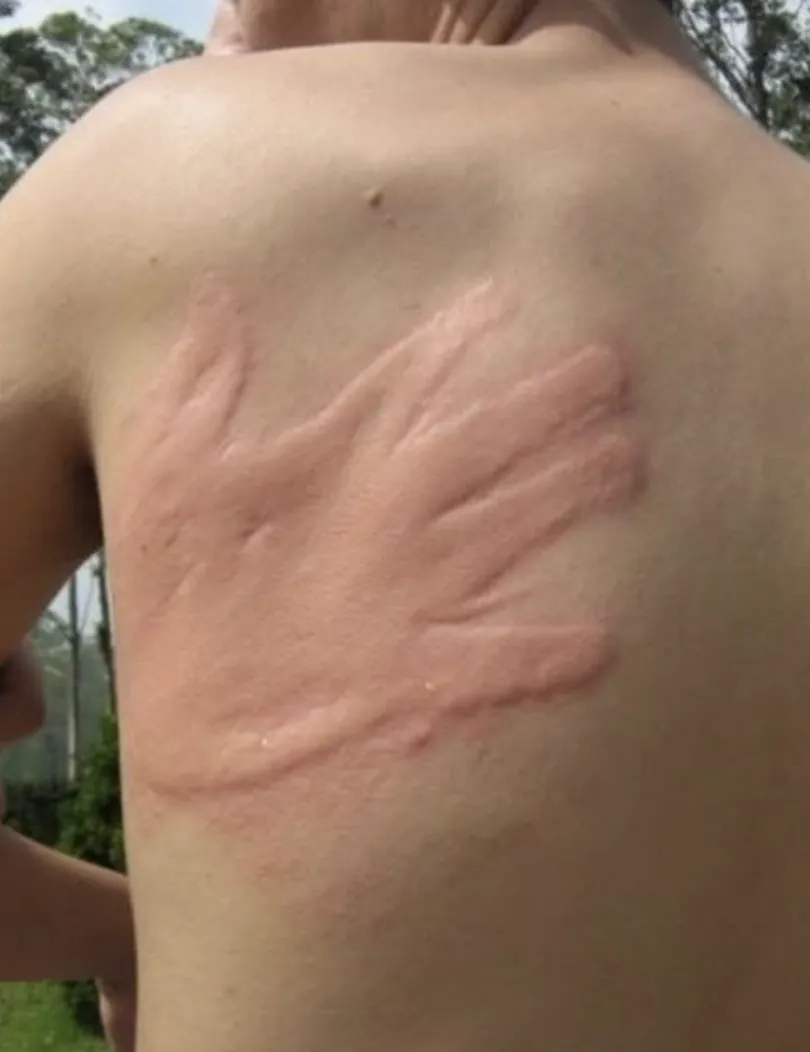
Dermatographia happens in the dermis. Pressure destabilizes mast cells, histamine floods out, vessels leak, and the line rises. A moisturizer sits on top of that, so no product on any shelf will stop the reaction itself. Anything marketed as a cure for skin writing is selling you something.
What a moisturizer does is break the loop earlier. Dry, tight skin itches on its own; you scratch it absently; the scratch produces a welt; the welt itches more. Keeping the barrier in good condition removes the first step, and for most people that turns out to matter more than it sounds.
What to look for on the label
Ignore the front of the bottle and read the ingredients. Four things are worth having.
- Ceramides — the lipids your skin barrier is built from; the closest thing to a repair ingredient.
- Humectants such as glycerin, urea, or hyaluronic acid, which pull water into the outer layer.
- Colloidal oatmeal, which has decent evidence behind it for itch relief specifically.
- An occlusive layer — petrolatum, shea butter, dimethicone — to hold the water in. This is why an ointment often beats a lotion overnight.
What to avoid
The avoid list matters more here than the seek list, because several standard 'soothing' ingredients are actively counterproductive on reactive skin.
| Ingredient | Why to skip it |
|---|---|
| Fragrance, parfum, essential oils | The most common cause of contact irritation in moisturizers, including lavender and tea tree |
| Menthol, camphor, peppermint | The cooling tingle is a nerve effect; it often rebounds into more itch an hour later |
| Denatured alcohol high in the list | Dries and strips the barrier you are trying to rebuild |
| Heavy exfoliating acids | Glycolic and salicylic acids sting inflamed skin and thin the barrier further |
| Aggressive scrubbing or loofahs | Mechanical friction is a direct trigger, not a cleaning method |
How to apply it so it actually works
Technique changes the result more than brand does.
- Apply within three minutes of a shower, to skin that is still damp — you are sealing water in, not adding it.
- Smooth it on in the direction hair grows. Do not rub it in briskly; brisk rubbing is friction, and friction is the trigger.
- Twice a day, every day, including days when your skin feels fine. This is maintenance, not rescue.
- Keep a tube in the fridge. Cold cream on an active welt genuinely dulls the itch for a few minutes while an antihistamine takes over.
- Ointment at night, lighter cream in the morning, so you are not shiny all day and still get the overnight repair.
Where creams fit in the wider plan
Think of it as the base layer. Moisturizer lowers the background itch, a daily non-drowsy antihistamine handles the histamine response, and reducing friction — softer fabrics, looser waistbands, cooler showers — removes the triggers you can control. All three together do considerably more than any one of them.
If your skin is still raw despite consistent barrier care, that is worth a dermatologist's opinion rather than a fourth product. Eczema, contact dermatitis, or a topical steroid course may be part of the answer.
Find out what's driving your dermatographia
Answer 12 quick questions and get a personalized severity score, your top drivers, and a staged 30-day plan built around your own skin.
Get My Dermatographia ScoreFrequently asked
- Does moisturizer help dermatographia?
- Indirectly but meaningfully. It does not prevent the welts, which come from mast cells below the surface, but it reduces the background dryness and itch that lead you to scratch in the first place.
- What is the best lotion for dermatographia?
- A fragrance-free ceramide cream or ointment applied to damp skin twice a day. Ingredients matter far more than brand: ceramides, glycerin, or colloidal oatmeal, with no fragrance, menthol, or drying alcohol.
- Is calamine or menthol lotion good for itchy welts?
- Menthol and camphor products give a short cooling sensation that frequently rebounds into more itch. A cold fragrance-free cream from the fridge is a better option.
- Should I use a lotion, cream, or ointment?
- Ointments hold water in best and suit overnight use; creams are a reasonable daytime compromise; thin lotions with a high water content evaporate fastest and do the least.
Sources
Clinical background on this page is checked against the following published sources. My own experience and interviews are labelled as such in the text.