Dermatographia Treatment at Home: 7 Things That Calm Welts Tonight
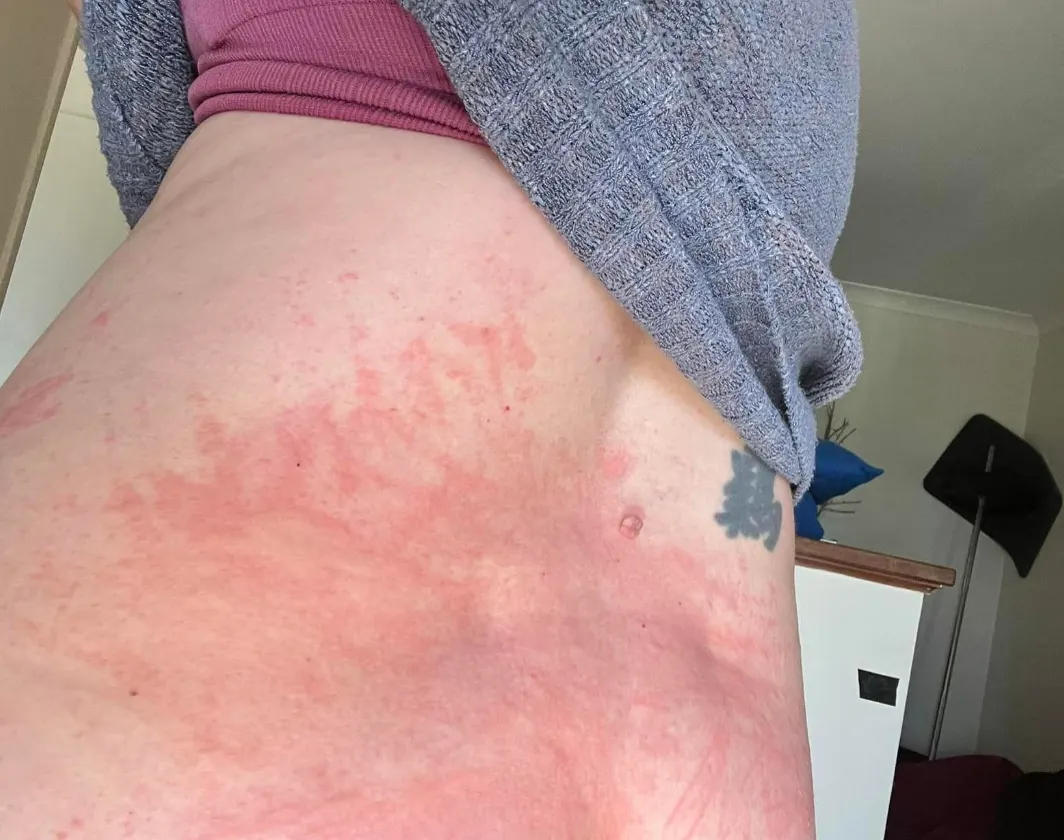
Short answerThe at-home changes with the best return are cooling the skin, keeping showers short and lukewarm, applying a fragrance-free ceramide moisturiser twice daily, reducing friction from clothing and bedding, and protecting sleep. Supplements such as quercetin and vitamin D have thin evidence and should be treated as optional, not foundational.
What at-home care can and cannot do
Nothing you do at home changes how easily your mast cells release histamine. What it can change is how much friction, heat and barrier damage your skin absorbs each day — and those determine how often the threshold gets crossed in the first place.
In practice that is the difference between reacting to everything and reacting to a few specific things. It is not a cure, and anyone selling you one is not being straight with you, but it is the part of this condition you actually control.
Cooling: the fastest thing that works
Cold constricts the dilated vessels that make a wheal rise and directly dampens the itch signal travelling to your brain. A cool damp cloth held on the area for a few minutes is the single most reliable in-the-moment intervention there is.
Keep a bottle of moisturiser in the fridge if you flare in a predictable spot. Avoid ice directly on skin — very cold contact can provoke its own reaction in some people, and it damages skin at the edges.
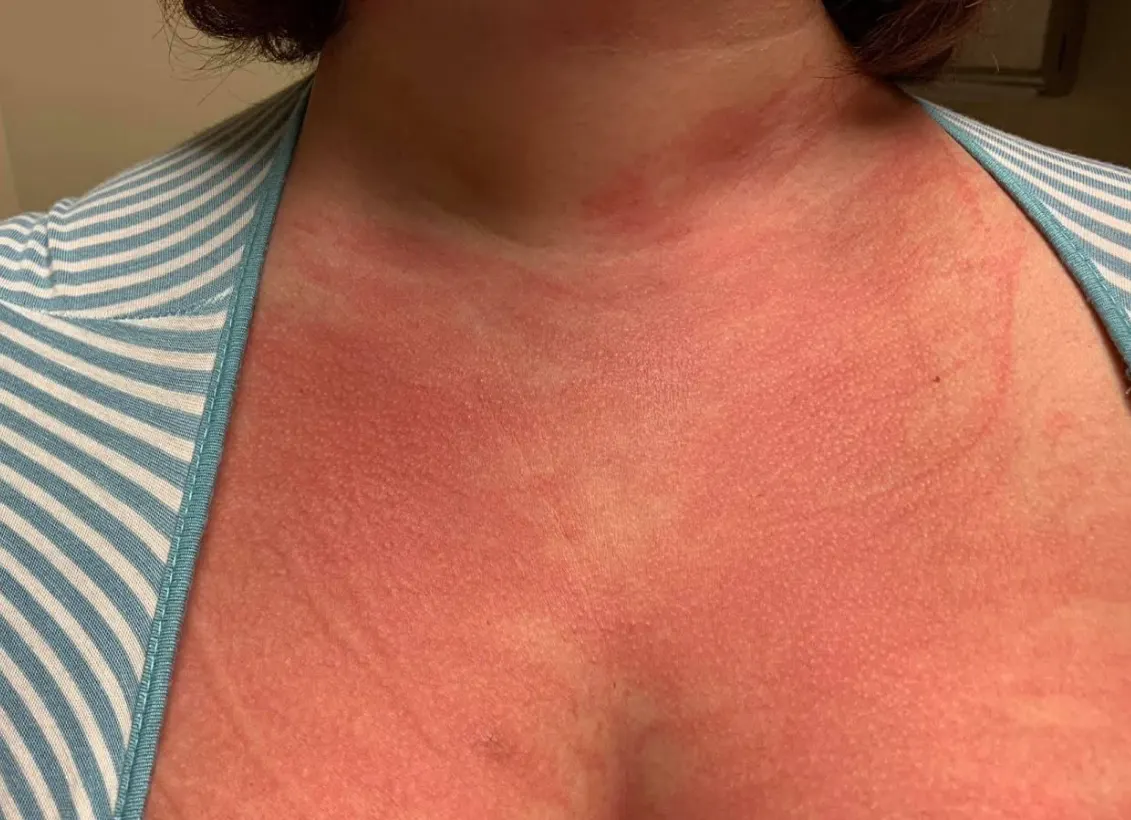
The shower is doing more damage than you think
Hot water strips skin lipids and leaves vessels dilated for a long while afterwards. A hot shower followed by a brisk towel dry is close to a worst-case scenario for dermatographia, which is why so many people flare within ten minutes of getting out.
Change three things: lukewarm rather than hot, under ten minutes, and pat dry instead of rubbing. Then moisturise while skin is still slightly damp. That sequence is unglamorous and it makes a bigger difference than anything you can buy.
- Lukewarm water, short showers.
- Fragrance-free, non-foaming cleanser only where you need it.
- Pat dry with a soft towel — never rub.
- Moisturise within three minutes, on damp skin.
Barrier repair, in plain terms
A well-hydrated skin barrier is less reactive to mechanical stress. Look for a plain, fragrance-free moisturiser containing ceramides, glycerin or colloidal oatmeal. Applied twice daily, consistently, this is a genuine intervention rather than a comfort measure.
Skip anything with added fragrance, essential oils, menthol or alcohol. Menthol products feel cooling and can be useful briefly, but they irritate compromised skin if you lean on them daily. Colloidal oatmeal baths help some people with widespread itch and are low risk.
Supplements: an honest scoreboard
This is where most of the noise online lives, so here is the state of it without the marketing.
| Approach | Evidence for urticaria | Worth trying? |
|---|---|---|
| Vitamin D | Some studies suggest add-on benefit in chronic urticaria, particularly where levels are low | Reasonable if a blood test shows deficiency — test, do not guess. |
| Quercetin | Mast-cell stabilising in lab studies; little human trial evidence | Optional. Low risk, unproven benefit. |
| Low-histamine diet | Mixed; helps a subset, no benefit for many | Only as a short structured trial, ideally with a dietitian. |
| Omega-3 | General anti-inflammatory evidence, nothing urticaria-specific | Fine for general health; do not expect skin results. |
| Herbal antihistamines | No reliable evidence | No. Some interact with real medication. |
Stress and sleep are not a soft option
Stress does not cause dermatographia, but almost everyone who has it notices the threshold drops during a hard week. Poor sleep does the same thing, and itch wrecks sleep, which lowers the threshold further. That loop is the reason a bad month can feel like the condition has fundamentally worsened when the underlying tendency has not changed at all.
Breaking into the loop anywhere helps. For most people the achievable entry point is the evening routine — cooler bedroom, lighter bedding, moisturiser before bed — because it improves the night and the following day at the same time.
Where at-home care stops
If you are doing all of this consistently and still marking up daily, that is not a failure of discipline — it is information. It means the mechanical and barrier side is handled and the remaining problem is how reactive your mast cells are, which is a medication question.
Natural measures and antihistamines are not competing approaches. They work on different parts of the same problem, and most people who get properly comfortable are doing both.
Find out what's driving your dermatographia
Answer 12 quick questions and get a personalized severity score, your top drivers, and a staged 30-day plan built around your own skin.
Get My Dermatographia ScoreFrequently asked
- What is the best home remedy for dermatographia?
- A cool compress for immediate itch, plus a fragrance-free ceramide moisturiser applied twice daily and after every shower. Cooling and barrier care are the two measures most people notice a difference from.
- Does a low-histamine diet help dermatographia?
- It helps a subset of people and does nothing for many others. If you want to test it, do a short structured trial with a dietitian rather than an open-ended restriction, which risks nutritional gaps for no benefit.
- Is quercetin worth taking?
- Quercetin stabilises mast cells in laboratory studies, but human trial evidence in urticaria is limited. It is low risk and optional — not a substitute for treatment that has been shown to work.
- Should hot showers be avoided completely?
- Lukewarm is better. Hot water strips skin lipids and leaves blood vessels dilated afterwards, which is why flares so often start shortly after a hot shower.
- Should I tell my doctor about supplements I am taking?
- Yes, every time. Supplements interact with medications and some affect liver enzymes that process antihistamines. Bring the actual bottles or a photo of the labels rather than trying to recall the doses.
Sources
Clinical background on this page is checked against the following published sources. My own experience and interviews are labelled as such in the text.