Dermatographia Diet and Foods: What Helps, What Does Not
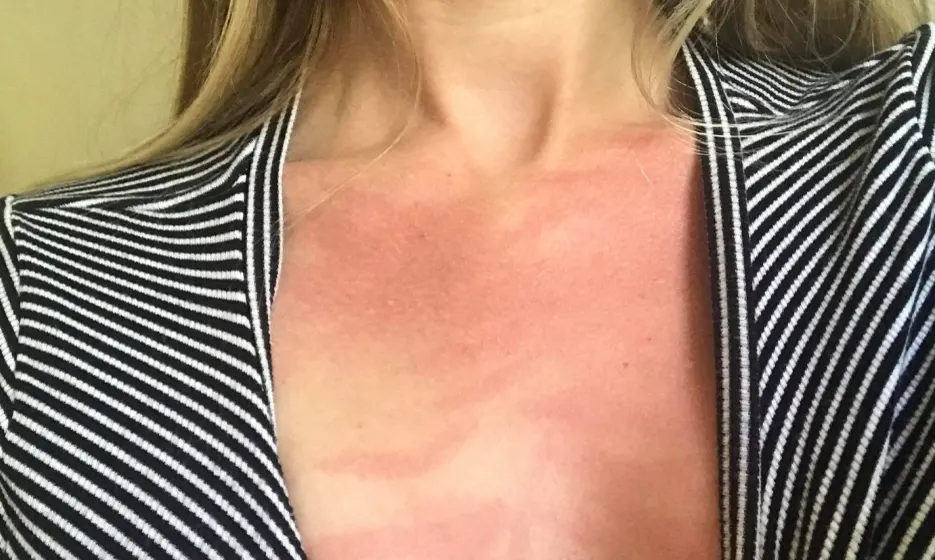
Short answerThere is no dermatographia diet that works for everyone. Food does not cause the condition, but for some people a high histamine load — aged cheese, alcohol, cured meat, fermented foods — lowers the threshold at which pressure produces welts. A structured four-week low-histamine trial with reintroduction is the only reliable way to find out whether you are one of them.
Food is a modifier, not a cause
This is the part most diet articles skip. Dermatographia is a mechanical trigger condition: the welt forms because pressure destabilises mast cells in the skin. No food creates that sensitivity, and removing a food does not remove it either.
What food can do is change your baseline. If your body is already carrying a high histamine load from a meal, less mechanical pressure is needed to push you over the line into a visible welt. That is why a glass of red wine with dinner can make an ordinary bag strap leave a mark it would not have left the day before.
I think of it as two dials rather than one switch. Mechanical pressure is one dial, histamine load is the other, and a welt appears once the combined total crosses your personal line. On a low-histamine day you can tolerate more friction. On a high-histamine day — a big dinner out, several drinks, a week of leftovers — the same backpack strap that never bothered you suddenly leaves a mark.
The usual suspects, ranked by how often they matter
In my own tracking and in what people report most consistently, the list is short and unglamorous.
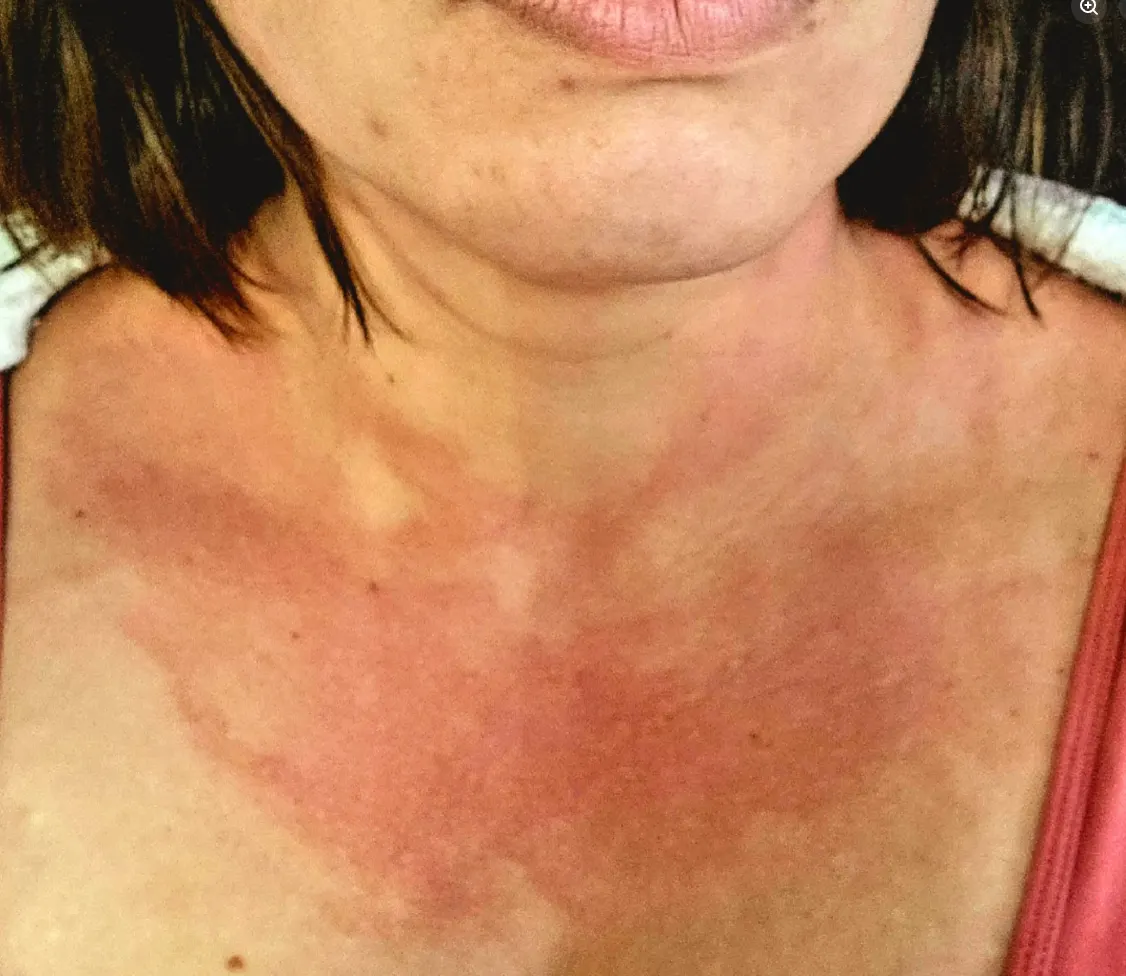
- Alcohol, especially red wine, beer, and champagne — the most commonly reported single trigger.
- Aged and hard cheeses.
- Cured, smoked, and processed meats.
- Fermented foods: sauerkraut, kimchi, soy sauce, kombucha, vinegar.
- Leftovers stored more than a day, because histamine accumulates as food sits.
- Histamine liberators that are not high in histamine themselves: tomatoes, strawberries, citrus, shellfish, chocolate.
How to run a trial that actually gives you an answer
Most people fail this test by changing five things at once and drawing conclusions in four days. The reaction threshold moves slowly, so a short, sloppy trial produces noise.
Write your baseline down before you start. Score your worst welt, your typical daily itch, and how many separate flare episodes you have in a normal week, before you change anything. Without that baseline, you will not be able to tell a real four-week improvement from ordinary week-to-week variation, which is large even without changing your diet at all.
- Weeks 1–4: remove the high-histamine list above. Keep everything else — antihistamines, clothing, skincare — completely unchanged.
- Score daily: welt severity 0–5, itch 0–5, and how long the longest welt lasted.
- Week 5 onward: reintroduce one food group every three days and keep scoring.
- A real trigger shows up as a repeatable score jump within 24 hours of reintroduction, twice.
- If four weeks changes nothing, food is not your lever. Stop restricting and put the energy into friction and barrier work instead.
What to eat more of
The other half of the picture is boring but it holds up: fresh, quickly cooked, quickly eaten food keeps histamine load low without needing a restrictive list.
- Fresh meat and fish cooked and eaten the same day, or frozen immediately.
- Most fresh vegetables, with the leaf-and-root end of the spectrum easiest.
- Rice, oats, and other plain starches.
- Fresh dairy such as ricotta or mozzarella rather than aged cheese.
- Water — dehydrated skin flares more readily, and electrolytes help if you sweat heavily or train.
Supplements: reasonable, oversold, and pointless
Quercetin and vitamin C are the two most commonly discussed mast cell supports, and both are plausible and low risk, but neither is a treatment on its own. A DAO enzyme supplement can help people whose issue really is dietary histamine breakdown. Magnesium and consistent sleep support help indirectly by lowering stress-driven flares.
None of this replaces an antihistamine plan agreed with your doctor, and supplements interact with medication, so run them past a clinician first.
The trap to avoid
The alkaline diet is a common version of this trap. Your body keeps its own pH steady whatever you eat, so it doesn't work the way it's sold, though the foods on the alkaline list are worth eating more of. There's a clear breakdown of acidic vs. alkaline foods and what the diet gets wrong.
Restrictive eating has a cost: stress, social withdrawal, and worse sleep — all of which lower the flare threshold themselves. I have watched people trade a mild food trigger for a permanently elevated stress load and end up worse off. If a diet change is not clearly paying for itself after four weeks, it is not your answer.
I made this mistake myself in year three, cutting out an ever-growing list of foods on the theory that stricter must be better. My skin did not improve, but my weight dropped, my mood soured, and eating out with friends became a source of anxiety instead of enjoyment. When I eventually reintroduced everything and focused on friction and barrier repair instead, my symptoms improved faster than they had during the entire restrictive phase.
Alcohol specifically deserves its own conversation
Because it comes up so often, it is worth separating alcohol's several mechanisms. It carries histamine itself in wine and beer, it dilates blood vessels which can amplify a flush, and it disrupts sleep even in modest amounts, which independently lowers your threshold the next day. That combination is why alcohol is the single most consistently reported trigger in my own tracking and in conversations with other long-term dermatographia patients.
You do not necessarily need to eliminate it, but if you drink regularly and cannot explain a run of bad weeks, it is worth a genuine two-week pause to see what changes. Clear spirits in moderation tend to be reported as better tolerated than wine or beer, though this varies by person and is not a guarantee.
Eating out and travel, practically
Restaurant food is harder to control because you cannot verify freshness or ingredient lists easily. On trips or nights out where I cannot control the histamine load, I compensate on the friction side instead — looser clothing, no tight bag straps that day, and an extra moisturiser application before bed. It is not a perfect substitute, but it keeps the combined total under my threshold more often than not.
Keeping a food-and-symptom diary your doctor can use
If you want a food conversation with your doctor to go anywhere, bring data instead of impressions. A generic "I think dairy makes it worse" gets a shrug. A two-week log showing welt severity spiking on the two days you had wine with dinner gets taken seriously.
Keep it simple enough that you will actually maintain it: date, what you ate and drank in the prior 24 hours, sleep quality, stress level, and your worst welt score for the day on a 0–5 scale. Note the timing gap between eating and any flare, since a same-day pattern is far more convincing than something you only half-remember from three days earlier.
Bring that log to your appointment rather than summarising it from memory. It also helps you separate a real food effect from confounders like a hot day or a stressful week that happened to land on the same days you ate out.
What I tried that didn't help
In the interest of saving you time, a few things I tried on the diet side that made no measurable difference for me, even though they get recommended often. A full gluten elimination for six weeks changed nothing on my tracking sheet. A juice-based detox week did nothing except leave me tired and hungrier than usual. Cutting all nightshades — tomatoes, peppers, potatoes — on the theory that they are inflammatory made no dent either, though I know a couple of people who did notice a tomato-specific effect, which is a good example of why individual tracking beats blanket advice.
I also tried an expensive IgG food sensitivity panel, which is not the same test as a true allergy test and is not well supported by evidence for this purpose. It flagged a long list of "reactive" foods, I cut them all for a month, and nothing changed. I would not spend the money again.
Look-alikes: when it looks like a food reaction but isn't
Not every flush or welt after eating is a histamine load effect from dermatographia. Oral allergy syndrome causes itching around the mouth and throat right after eating certain raw fruits and vegetables, tied to pollen cross-reactivity, and is a different mechanism entirely. A true food allergy produces hives, swelling, or breathing symptoms typically within minutes, often reproducibly with a specific food every time, and needs allergist evaluation rather than a dermatographia elimination trial.
The practical difference: dermatographia-related food effects raise your general threshold over hours, so a trigger food makes ordinary friction worse rather than causing an immediate, food-specific reaction on its own. If you get lip swelling, throat tightness, or hives within minutes of a specific food every time you eat it, that is worth an allergist visit, not a four-week elimination diet.
When a reaction after eating needs urgent care
Dermatographia itself is not dangerous, but occasionally a reaction after eating is something else. Seek emergency care immediately for swelling of the lips, tongue, or throat, difficulty breathing or swallowing, dizziness or fainting, or hives spreading rapidly across the whole body after a meal. Those are signs of a possible true allergic reaction or anaphylaxis, not a histamine-load flare, and they need immediate treatment rather than a wait-and-see approach.
Related reading
If this was useful, these go deeper on the questions people ask next.
Find out what's driving your dermatographia
Answer 12 quick questions and get a personalized severity score, your top drivers, and a staged 30-day plan built around your own skin.
Get My Dermatographia ScoreFrequently asked
- What foods trigger dermatographia?
- No food causes dermatographia, but high-histamine foods — alcohol, aged cheese, cured meats, fermented foods, and leftovers — can lower the threshold at which pressure produces welts in some people.
- Does a low-histamine diet cure skin writing?
- No. It can reduce flare frequency and severity for people whose histamine load matters, but it does not remove the underlying mast cell sensitivity.
- How long should I try a low-histamine diet?
- Four weeks with nothing else changed, then structured reintroduction of one group every three days. If four weeks produces no change, food is not your main lever.
- Is alcohol always a trigger for dermatographia?
- Not for everyone, but it is the single most commonly reported dietary trigger. Wine and beer are reported more often than clear spirits, though individual responses vary.
- Can a food allergy test find my dermatographia trigger?
- Standard allergy testing looks for immune responses to specific allergens and usually will not identify a histamine load sensitivity. A structured elimination and reintroduction trial is a more useful tool for this specific question.
- Are DAO supplements worth trying?
- They can help people whose main issue is difficulty breaking down dietary histamine, but they are not a general treatment for dermatographia and should be discussed with a clinician, especially if you take other medication.
- Will cutting out gluten or dairy help dermatographia?
- There is no established mechanism linking gluten specifically to dermatographia, and cutting dairy only tends to help if aged or fermented dairy was your histamine trigger. Broad elimination without a clear hypothesis usually just adds restriction without benefit.
Sources
Clinical background on this page is checked against the following published sources. My own experience and interviews are labelled as such in the text.