Foods That Cause Itchy Skin and Inflammation
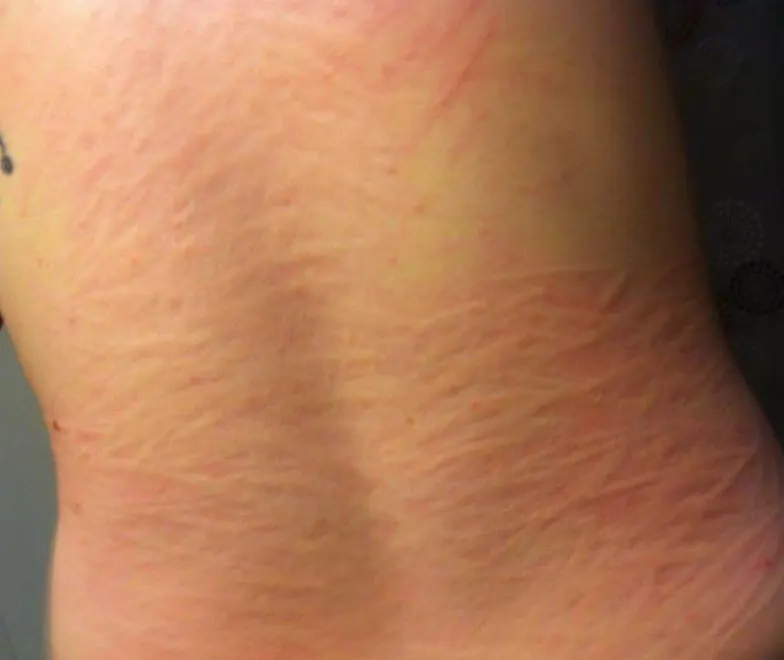
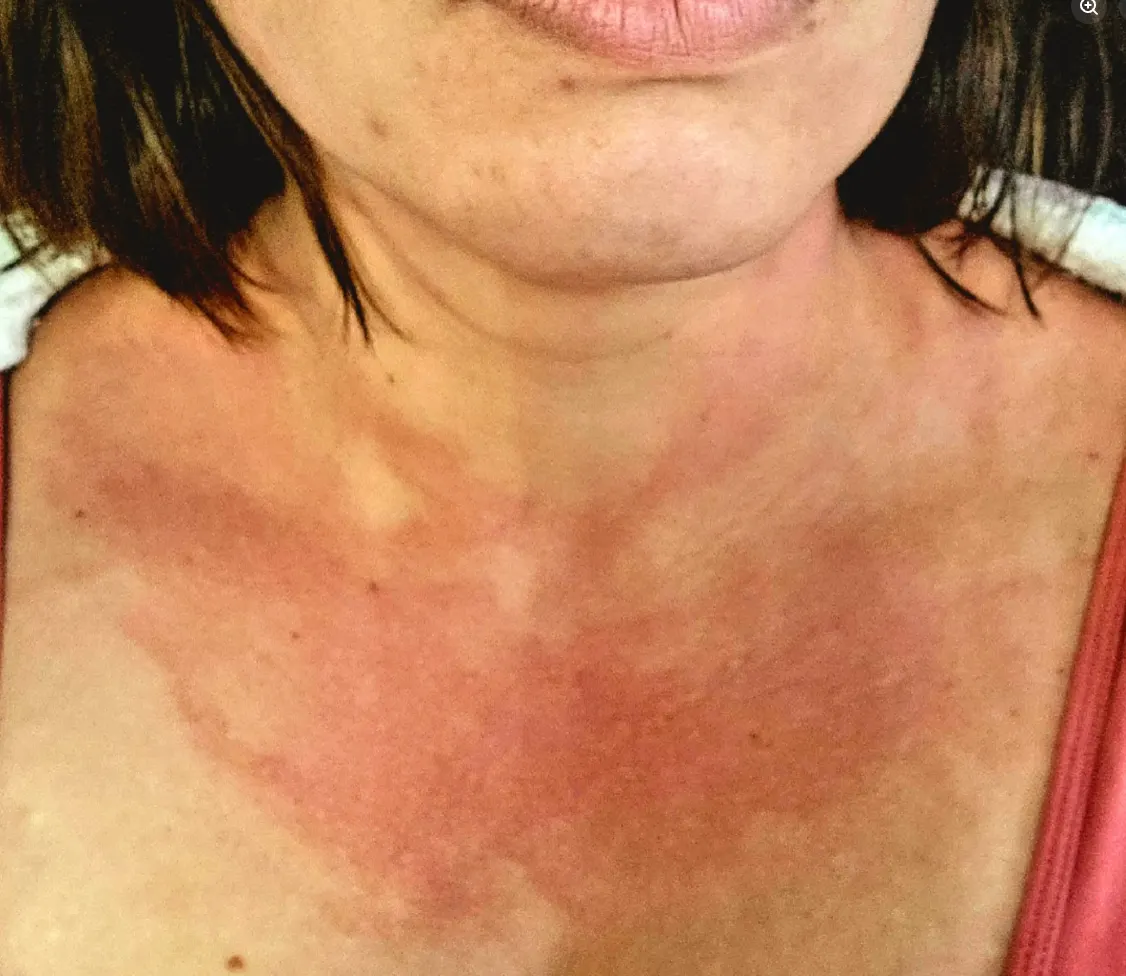
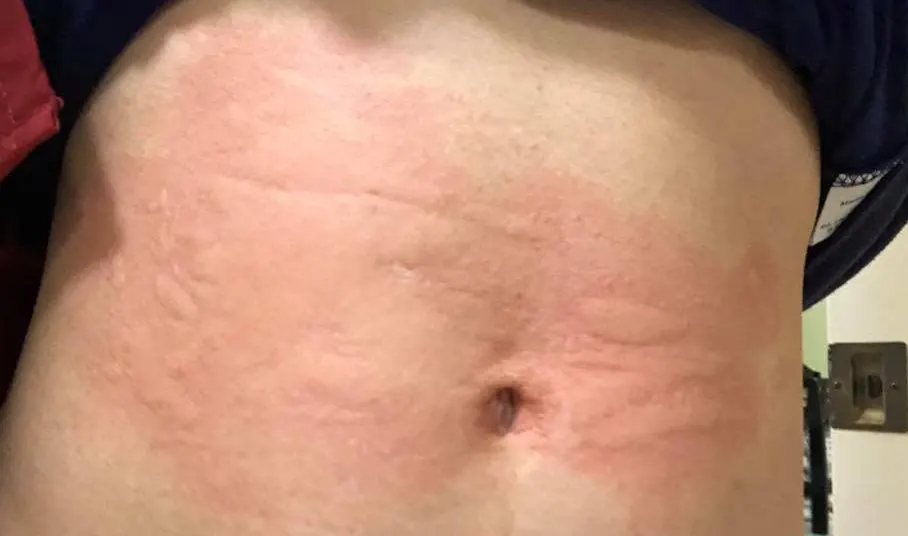
Short answerMost itchy-skin food reactions are not allergies. The usual culprits are histamine-rich or histamine-releasing foods — aged cheese, cured meat, fermented products, alcohol, tomatoes, strawberries and shellfish — plus alcohol and spicy food, which raise skin temperature and lower the reaction threshold. A structured two-week test on a short list of suspects tells you far more than a broad elimination diet.
Allergy, intolerance and threshold
Three very different things get filed under 'food makes my skin itch', and separating them saves a lot of unnecessary dieting.
A true food allergy is an IgE-mediated immune reaction. It is fast, usually within minutes to two hours, reproducible every single time, and it can involve more than skin — lips, throat, gut, breathing. This needs proper allergy testing, not experimentation.
A histamine reaction is different. Some foods contain a lot of histamine already, and others prompt your own cells to release it. Neither is an allergy. The reaction is dose-dependent, so a small amount is fine and a large amount is not, and it stacks with everything else going on that day.
And then there is threshold. Alcohol and spicy food do not contain much relevant histamine, but they raise skin blood flow and temperature, and warm skin reacts to friction far more readily. That is not a food reaction at all — it is your skin's trigger point moving.
The high-histamine list
These foods accumulate histamine through ageing, fermenting or curing. The longer something sits, the higher it climbs — which is why leftovers can bother people more than the same meal did fresh.
- Aged and hard cheeses — parmesan, mature cheddar, blue cheese
- Cured and processed meat — salami, prosciutto, bacon, hot dogs
- Fermented foods — sauerkraut, kimchi, miso, soy sauce, vinegar
- Alcohol, particularly red wine, beer and champagne
- Fish that was not frozen quickly — tuna, mackerel, sardines, anchovies
- Leftovers, especially meat and fish kept more than a day
Histamine liberators
A second group contains little histamine but prompts your own mast cells to release theirs. These are the ones people most often find surprising, because they are otherwise healthy foods.
- Strawberries, citrus fruit, pineapple, papaya
- Tomatoes and tomato-based sauces
- Shellfish
- Chocolate and cocoa
- Nuts, especially walnuts and cashews
- Egg white
- Food additives — some artificial colourings, benzoate and sulphite preservatives
Alcohol and spice: the threshold movers
Alcohol deserves its own paragraph because it does three unhelpful things at once. It carries histamine, it slows the enzyme that clears histamine, and it dilates skin blood vessels. That combination is why a glass of red wine can turn a manageable evening into a scratchy one.
Spicy food works purely on temperature. Capsaicin raises skin blood flow and makes you sweat, and warm damp skin reacts to friction more easily. The curry did not cause a rash — it lowered the bar for one.
The same logic applies to hot drinks, hot showers and exercise, which is worth knowing because it means the fix is often about cooling down rather than cutting the food.
What usually is not the problem
Plenty of foods carry a reputation they do not deserve. In the absence of a diagnosed allergy or coeliac disease, gluten and dairy are far less commonly implicated in itchy skin than the internet suggests. Sugar has no direct histamine mechanism. 'Inflammatory foods' as a general category is a marketing idea more than a clinical one.
Broad elimination diets are the most common mistake I see. Cutting fifteen foods at once tells you nothing, because you cannot attribute an improvement to any one of them, and it makes eating stressful — and stress is itself a reliable trigger. The cure ends up costing more than the symptom.
The same goes for sorting food into 'acidic' and 'alkaline'. Those labels don't predict which foods make your skin itch. Here's a plain breakdown of acidic vs. alkaline foods and what the diet gets wrong.
How to test your own list in two weeks
This is the method worth spending your effort on. It is narrow, it is short, and it produces an answer you can trust.
- Week 0: log everything for seven days — food, time, and an itch score out of 10 that evening. Change nothing yet.
- Look for repeats. You are searching for foods that appear on your worst three days and not your best three.
- Pick a maximum of three suspects. Not fifteen.
- Week 1: remove those three completely. Keep scoring nightly.
- Week 2: reintroduce one suspect on its own, in a normal-sized portion, and score the next 24 hours. Wait two clear days, then do the next one.
- A food that reproduces the reaction twice is a real trigger for you. A food that does nothing on reintroduction goes back in the diet permanently.
Why the same meal reacts differently on different days
This is the single most confusing thing about food and itchy skin, and the explanation is stacking. Histamine load is cumulative. Your body clears it constantly, and symptoms appear when input outruns clearance.
So an aged cheese on a well-slept, cool, low-stress day disappears into the background. The same cheese after a bad night, with a glass of wine, in a warm room, on skin that is already reactive, tips you over. The food did not change. The pile it landed on did.
This is also why people conclude that food 'sometimes' matters and give up trying to work it out. It matters — it is just one input among several, and worth measuring alongside sleep, stress and skin temperature rather than in isolation.
Where food sits in the bigger picture
Honest framing after twenty years: for most people with pressure-triggered itchy skin, food is a modifier rather than a cause. Removing a genuine trigger food helps at the edges. It does not replace the two levers that do the heavy lifting — reducing friction against the skin, and consistent first-line medication discussed with a clinician.
That is not a reason to ignore diet. It is a reason to spend two focused weeks identifying your actual short list, then getting on with the rest of your life.
Find out what's driving your dermatographia
Answer 12 quick questions and get a personalized severity score, your top drivers, and a staged 30-day plan built around your own skin.
Get My Dermatographia ScoreFrequently asked
- What foods cause itchy skin?
- The most commonly implicated are high-histamine foods (aged cheese, cured meat, fermented foods, alcohol, older fish) and histamine liberators (strawberries, citrus, tomatoes, shellfish, chocolate, nuts, egg white). Alcohol and spicy food also lower the skin's reaction threshold by raising blood flow and temperature.
- What foods cause skin inflammation?
- Foods that raise histamine load or skin temperature are the reliable ones. Outside a diagnosed allergy or coeliac disease, gluten, dairy and sugar are blamed far more often than the evidence supports.
- Is itchy skin after eating an allergy?
- Usually not. True food allergy is immediate, reproducible every time, and often involves lips, throat or breathing as well as skin. Most food-related itch is a dose-dependent histamine reaction, which behaves differently on different days. Anything involving swelling of the lips, tongue or throat needs urgent assessment.
- Should I try an elimination diet for itchy skin?
- A narrow one, yes — a week of logging, then removing at most three suspects, then reintroducing them one at a time. Broad eliminations of ten or more foods rarely produce an interpretable answer and make eating stressful, which is itself a trigger.
- Is an allergy test worth asking for?
- It is worth asking, but set expectations. Standard allergy testing looks for IgE reactions, and most food-related itch in this group is not an allergy at all. A clinician can order it to close the question rather than to confirm one.
Sources
Clinical background on this page is checked against the following published sources. My own experience and interviews are labelled as such in the text.