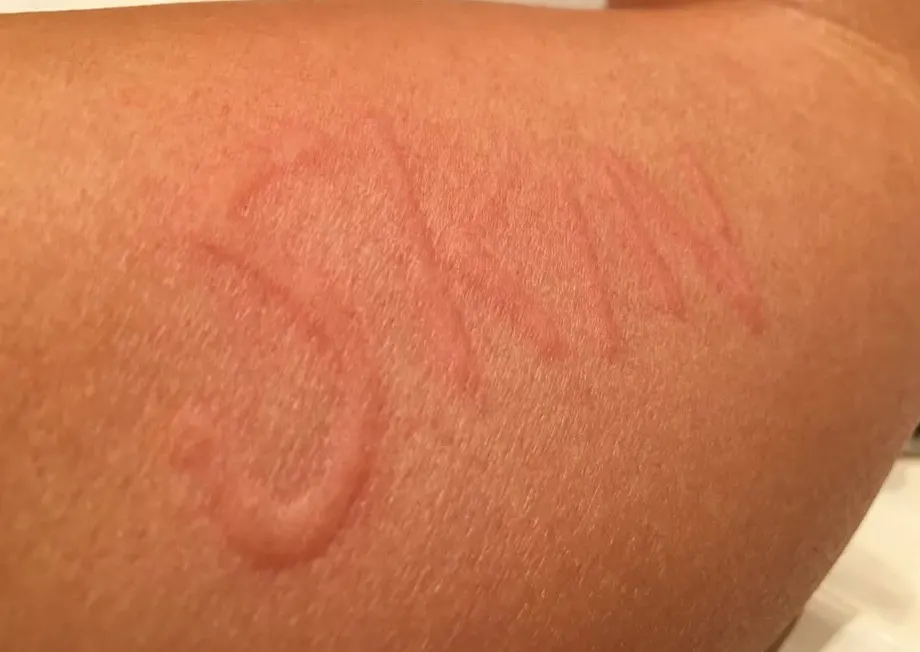
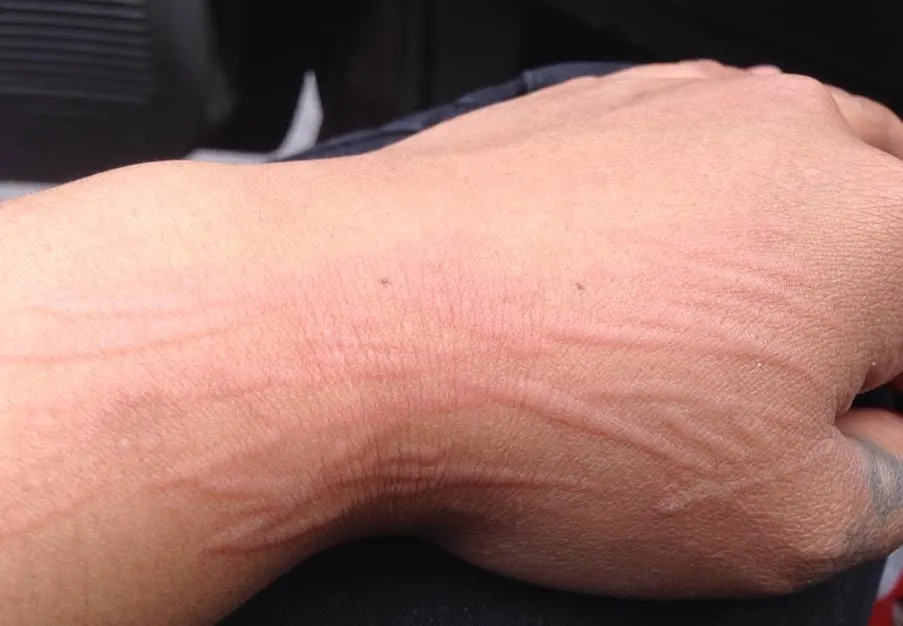
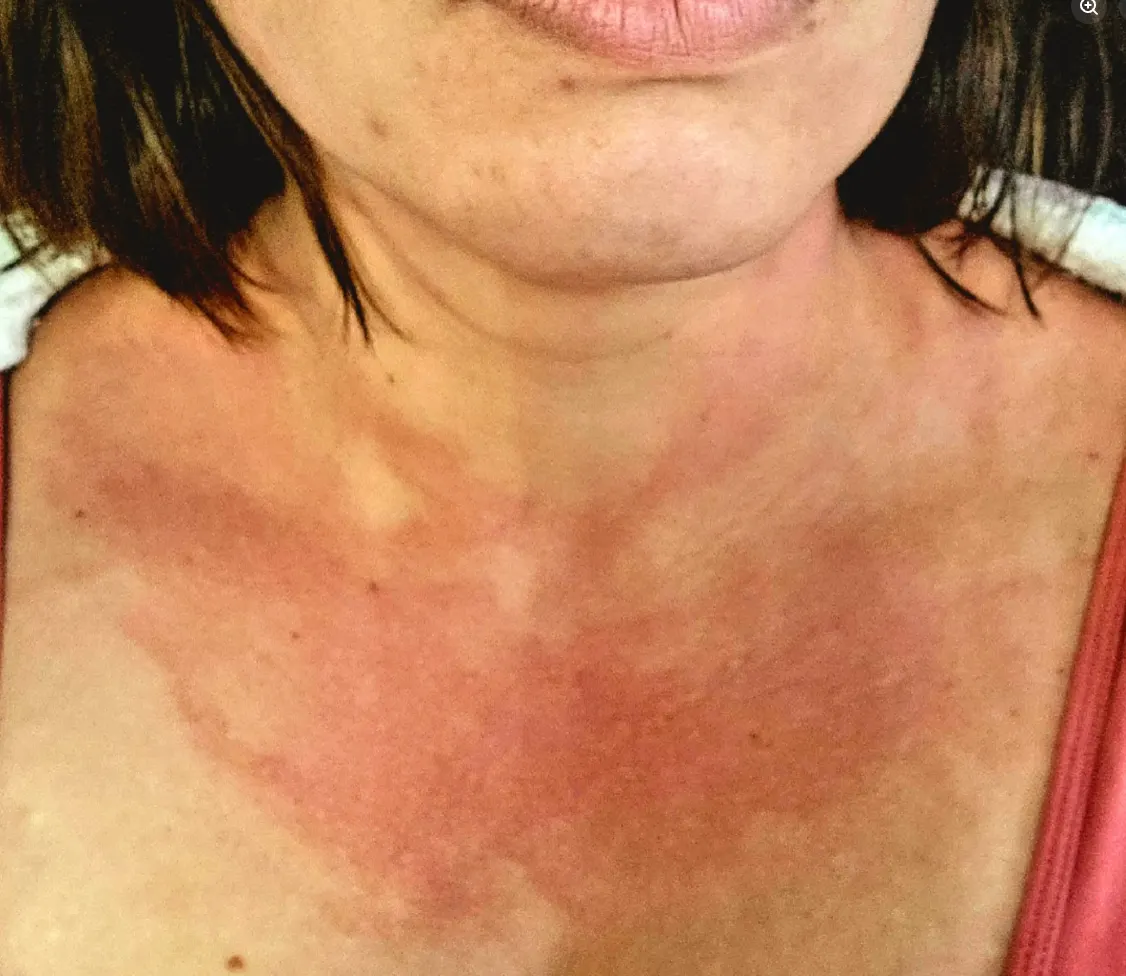
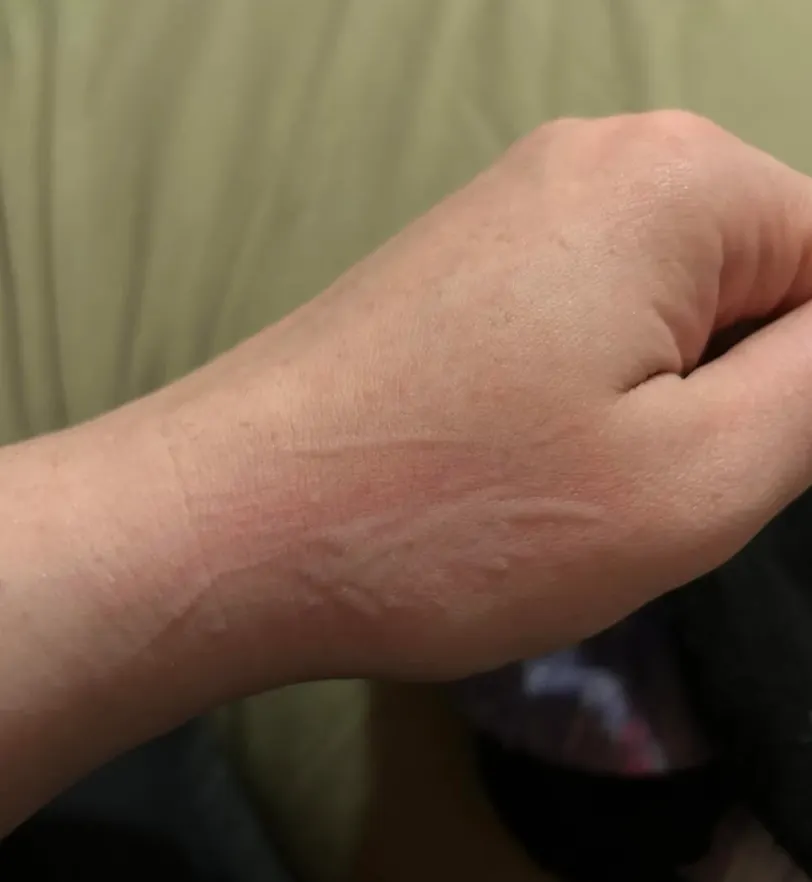
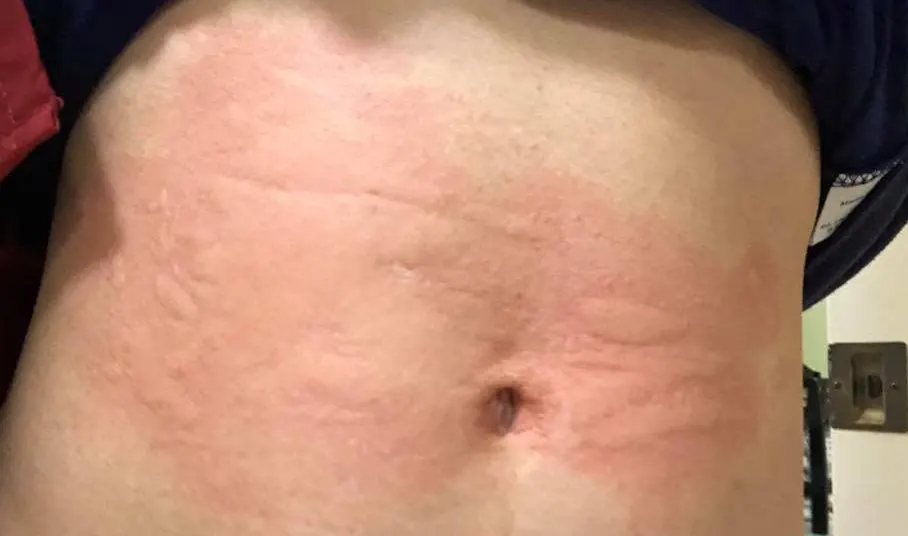
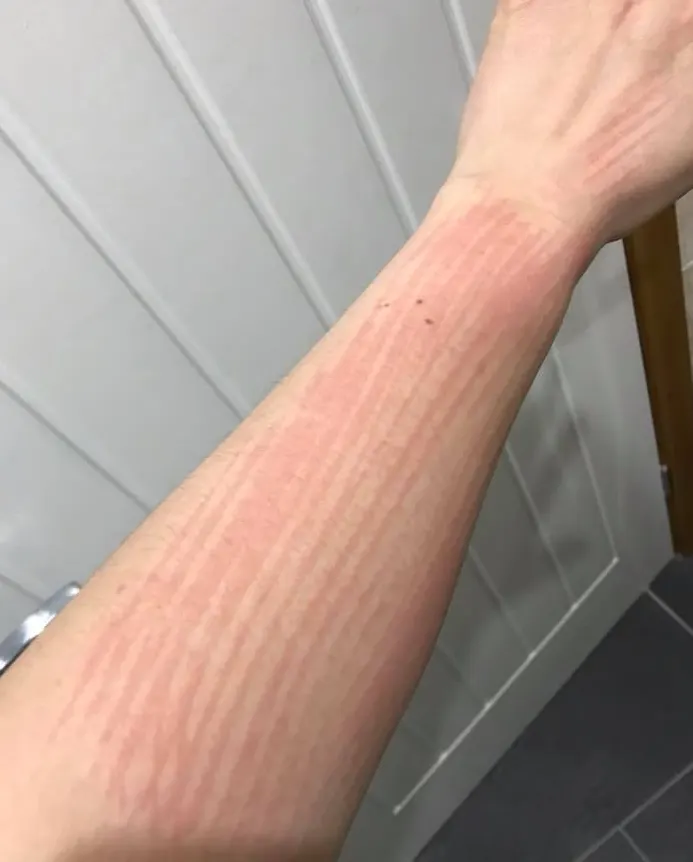
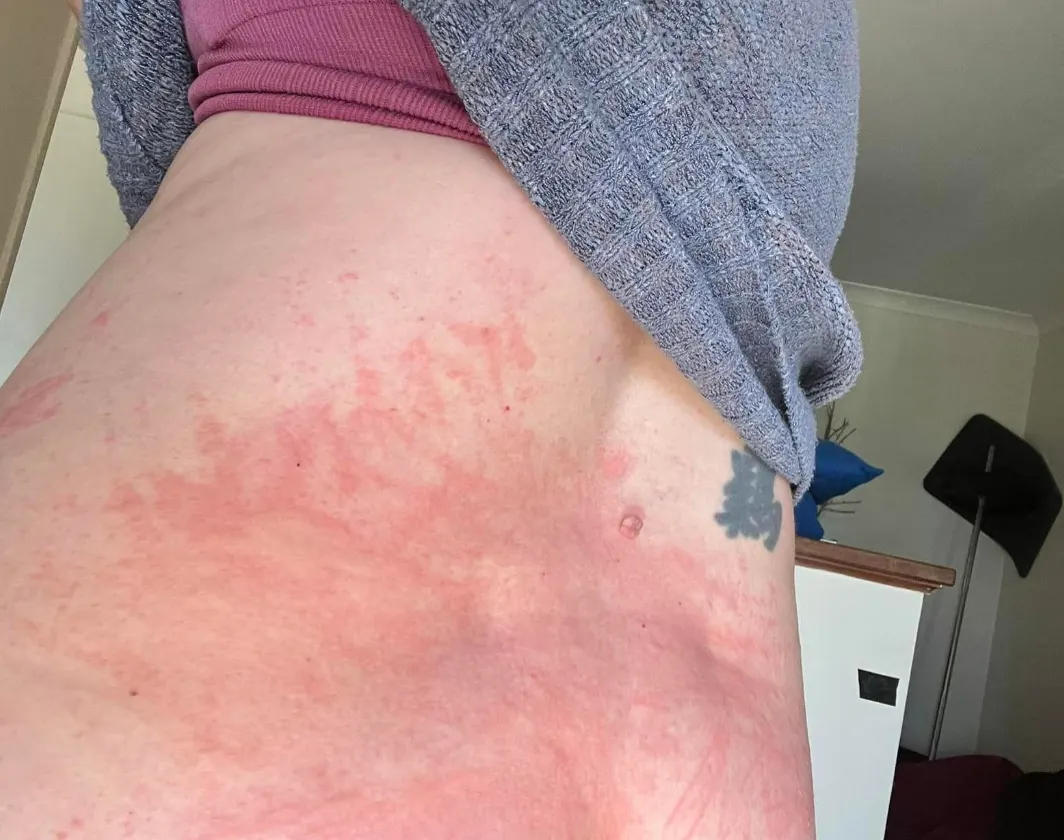
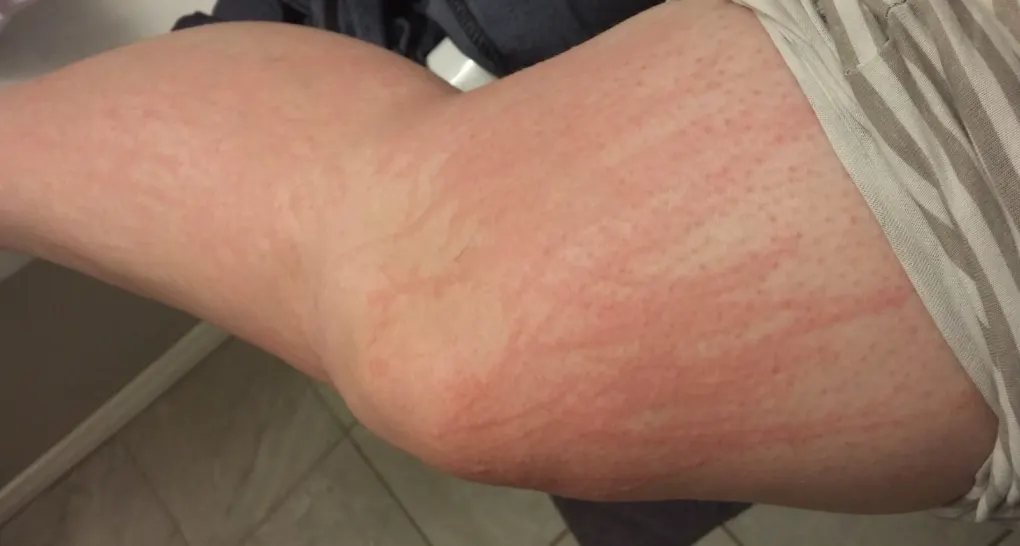
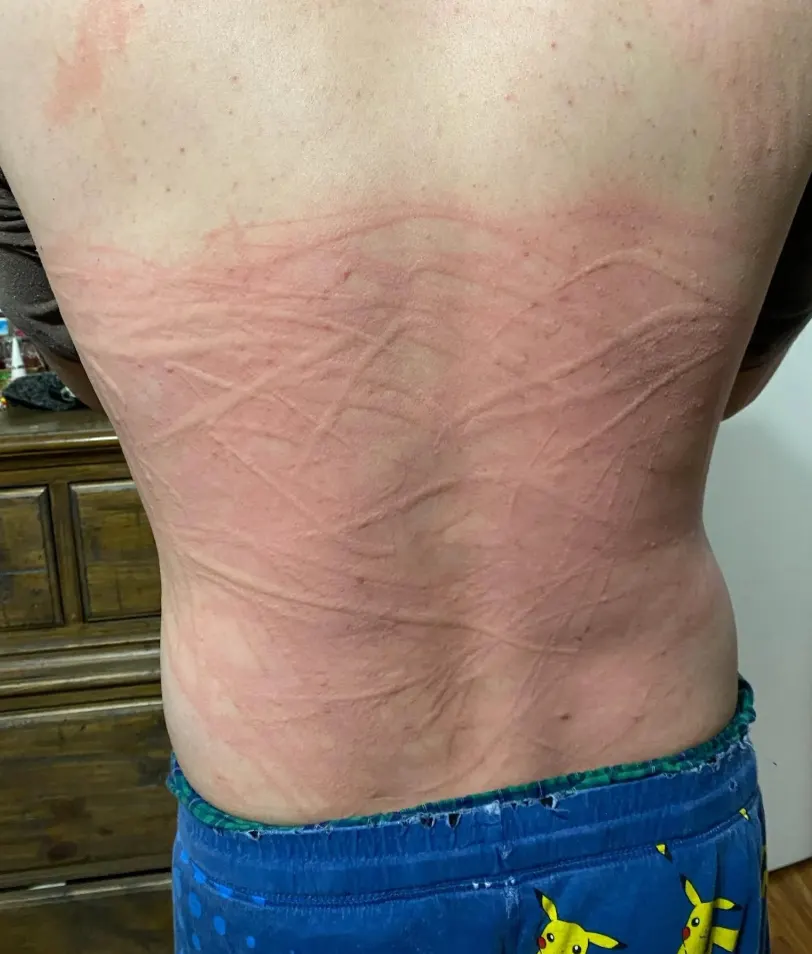
Dermatographia, or skin writing, is a harmless form of hives: scratching or pressure raises red welts that fade within an hour. Take the free quiz to get your severity score and a 30-day plan matched to your pattern.
Raised, pale-centred lines that follow the exact path of the pressure that caused them — usually rising in 2 to 5 minutes and fading within the hour.
From the community
These three are common patterns drawn from reader stories, not individual submissions. Real submitted stories, with names, ages and dates, are on the community wall.
Every deadline week my forearms would light up. Tracking stress alongside flares showed me the pattern was emotional, not allergic.
— Tim, 34, a common reader pattern, not one person's submission
Tim, 34, found that pairing a consistent evening antihistamine with a 10-minute wind-down routine cut his weekly flare count roughly in half.
Priya's Story: The Waistband Problem
I blamed detergent for two years. It turned out to be one seam sitting exactly where the welts appeared.
— Priya, 29, a common reader pattern, not one person's submission
Priya, 29, mapped her welts to pressure points and switched to seamless, loose bamboo layers before changing anything else.
Marcus's Story: Post-Shower Flares
Hot water plus a rough towel was the worst combination for my skin. Cooler rinses changed my mornings.
— Marcus, 41, a common reader pattern, not one person's submission
Marcus, 41, lowered his water temperature, switched to patting dry, and applied a ceramide cream on damp skin.
Dermatographia treatment options at a glance
There is no single cure, but most people get meaningful relief from a combination of four things: daily antihistamines, less friction, a stronger skin barrier, and specialist care when symptoms don’t settle.
Antihistamines: the first-line treatment
Most dermatographia treatment starts with a daily non-drowsy H1 antihistamine such as cetirizine, fexofenadine or loratadine. Doctors sometimes up-dose above the standard packet amount, or add an H2 blocker, when a single daily tablet isn't holding symptoms down.
Welts follow pressure. Seamless, loose layers, softer waistbands, patting rather than rubbing dry, and keeping nails short all cut the mechanical trigger that sets mast cells off in the first place.
Dry, stripped skin reacts harder. A fragrance-free ceramide moisturiser applied to damp skin, cooler showers, and avoiding harsh cleansers make each reaction shorter and less itchy.
If symptoms persist on regular antihistamines, last for hours, or come with swelling or breathing changes, a dermatologist or allergist can review your case — including options like omalizumab for stubborn chronic urticaria.
Written by a patient, checked against the medical literature
I was diagnosed with dermatographia in 2008 and I have lived with it every day since. I am not a physician, and I never write as one. I am under the ongoing care of a board-certified dermatologist for my own dermatographia, and everything on this site is written so you can take it to your own clinician rather than substitute for one.
There is no cure for dermatographia and you will not find one claimed here. Where the evidence is strong, this site says so and cites it. Where it is thin, it says that too.
The guideline behind antihistamine up-dosing and omalizumab.
Getting your own diagnosis
Dermatographia is diagnosed in a clinic in under a minute — a clinician draws a line on your skin and watches what happens. If your symptoms are persistent, if antihistamines aren’t holding them, or if you get swelling or breathing changes, see a dermatologist rather than self-managing.
Effective dermatographia treatment stacks four layers: a daily preventive second-generation antihistamine at a dose your clinician sets, mechanical friction removal, consistent skin barrier repair, and heat and stress control. Second-line options such as adding an H2 blocker, a nighttime sedating antihistamine, or omalizumab are decisions for a physician when first-line control is not enough.