Zyrtec for Dermatographia: Which Antihistamine Actually Works
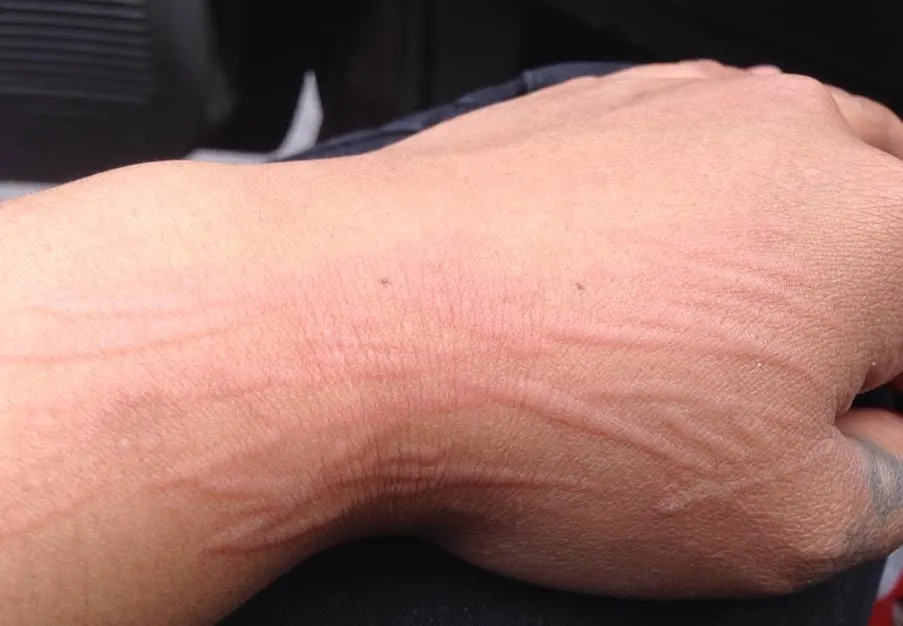
Short answerCetirizine (Zyrtec) is one of the most commonly used antihistamines for dermatographia because it is potent in skin, but loratadine and fexofenadine work for many people with less drowsiness. The bigger factor is taking a non-drowsy H1 blocker daily rather than only after a reaction, and any dose above the label should be a clinician's decision.
Why cetirizine comes up so often
If you search for dermatographia treatment, cetirizine — sold as Zyrtec in the US — turns up more than any other name. There is a reason. Cetirizine concentrates well in skin, binds the H1 receptor tightly, and stays bound for a long time, which is exactly what you want for a condition whose entire symptom set is in the skin.
It is also the one most people already have in a cupboard, which matters. The antihistamine you will actually take every morning beats the theoretically ideal one you forget about.
What surprised me when I started taking it properly was how much of the benefit came from consistency rather than dose. Taking one tablet every single morning, before anything had happened, changed my days far more than taking two the moment my forearm lit up.
The four you will be choosing between
Second-generation H1 antihistamines are the first-line option in urticaria guidelines. They differ mostly in how sedating they are and how long they last.
| Antihistamine | Common brand | Drowsiness | Notes for skin symptoms |
|---|---|---|---|
| Cetirizine | Zyrtec | Mild in some people | Strong skin penetration; often the most effective for itch, at the cost of occasional daytime sleepiness. |
| Levocetirizine | Xyzal | Mild | The active half of cetirizine; some people find it works at a lower dose with less drag. |
| Loratadine | Claritin | Minimal | Very well tolerated, but a number of people report it fades before 24 hours are up. |
| Fexofenadine | Allegra | Minimal | Non-sedating and reliable; absorption drops if taken with fruit juice. |
Where hydroxyzine and older tablets fit
Hydroxyzine and diphenhydramine are first-generation antihistamines. They cross into the brain, which is why they make you sleepy — and why clinicians sometimes reach for one at night when itch is wrecking sleep.
They are not a daytime solution. Guidelines have moved away from them as routine treatment for chronic urticaria precisely because the sedation and next-morning grogginess outweigh the benefit for most people. If night-time itch is your main problem, that is worth a specific conversation with a clinician rather than self-medicating.

The dose question, answered honestly
International urticaria guidelines allow the standard daily dose of a second-generation H1 antihistamine to be increased — commonly up to fourfold — when standard dosing does not control symptoms. That is a real, evidence-backed practice, and it is why a dermatologist may tell you to take more than the box says.
It is also why you should not do it on your own. Up-titration belongs to a clinician who knows your other medications, your kidney and liver function, and whether you drive or operate machinery. Doubling cetirizine off your own back is the single most common way people on forums end up sedated and no better off.
When a second receptor gets added
A minority of histamine receptors in skin are H2 rather than H1. Some clinicians add an H2 blocker such as famotidine on top of an H1 blocker when the H1 alone is not enough. The evidence for the combination is mixed but it is a low-risk step and some people notice a genuine difference.
If you are already at a supervised higher H1 dose, combined with an H2 blocker, and still breaking out daily, that is the point at which the conversation shifts to whether you are dealing with a more stubborn chronic urticaria picture.
How to tell whether yours is working
Antihistamines do not stop mast cells releasing histamine — they block the receptors histamine would activate. So a working antihistamine does not mean zero marks. It means the line you draw is flatter, fades faster, and itches less.
Give any one tablet a fair trial of a couple of weeks taken daily, and judge it on three things: how high the welts rise, how long they last, and how much they itch. If nothing has shifted after two weeks of consistent daily use, that is useful information to take to a clinician rather than a reason to give up on the class.
- Take it daily, at the same time, not reactively.
- Judge it over two weeks, not one bad afternoon.
- Track height, duration and itch separately — they improve at different rates.
- Do not stack brands; two products can contain the same molecule.
Find out what's driving your dermatographia
Answer 12 quick questions and get a personalized severity score, your top drivers, and a staged 30-day plan built around your own skin.
Get My Dermatographia ScoreFrequently asked
- Is Zyrtec or Claritin better for dermatographia?
- Cetirizine (Zyrtec) is generally more potent in skin and is often more effective for itch, while loratadine (Claritin) is less likely to cause drowsiness. Many people try both and stay with whichever controls symptoms at a level of alertness they can live with.
- How long does it take for an antihistamine to help dermatographia?
- A single dose starts acting within an hour or two, but the meaningful change usually shows up after one to two weeks of consistent daily use, when a steady blockade is in place before symptoms start.
- Can I take two antihistamines at once?
- Combining an H1 blocker with an H2 blocker is a recognised approach, but combining two H1 blockers, or exceeding label doses, should only be done under a clinician's direction.
- Do antihistamines stop working over time?
- True tolerance to second-generation antihistamines is not well established. More often the underlying condition has become more active, which is worth reviewing with a clinician rather than simply increasing the dose.
- Do I need a doctor before increasing my antihistamine dose?
- Yes. Guidelines support going above the standard dose in chronic urticaria, but that call belongs with a clinician who knows your other medications and can watch for drowsiness at the higher end.
Sources
Clinical background on this page is checked against the following published sources. My own experience and interviews are labelled as such in the text.