Why Dermatographia Itches So Much — And What Calms It
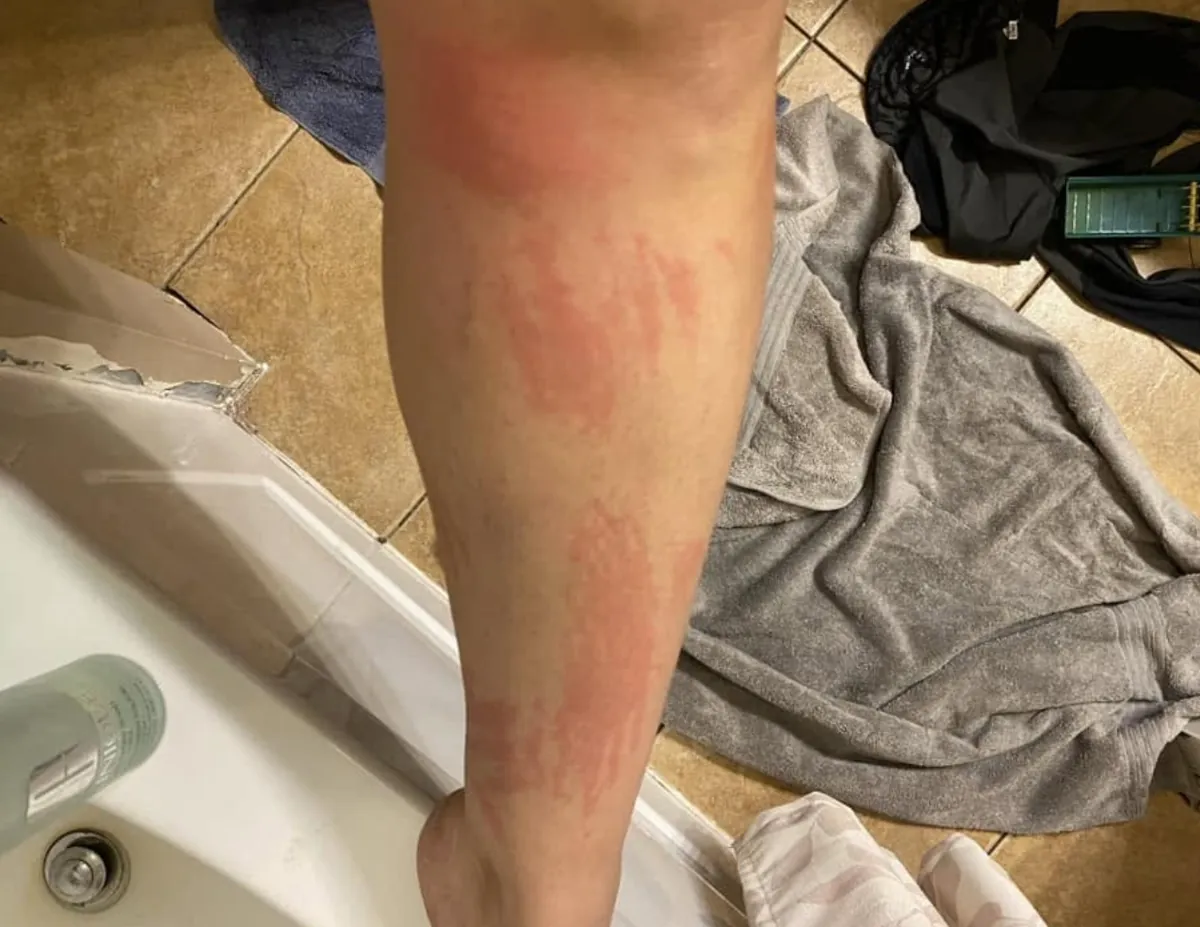
Short answerDermatographia itches because pressure destabilises skin mast cells, which release histamine directly onto itch-sensing nerve fibres in the dermis. Those nerves fire, you scratch, the scratching applies fresh pressure, and more histamine is released — a self-feeding loop. Breaking it means blocking histamine consistently, cooling the skin instead of scratching, and reducing the friction that starts the cycle.
The itch is the symptom, not the welt
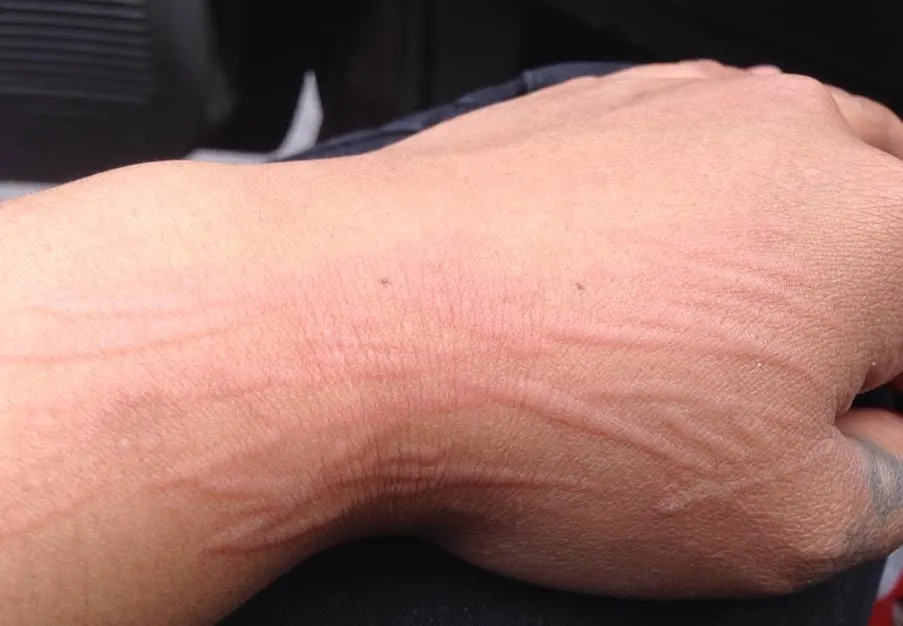
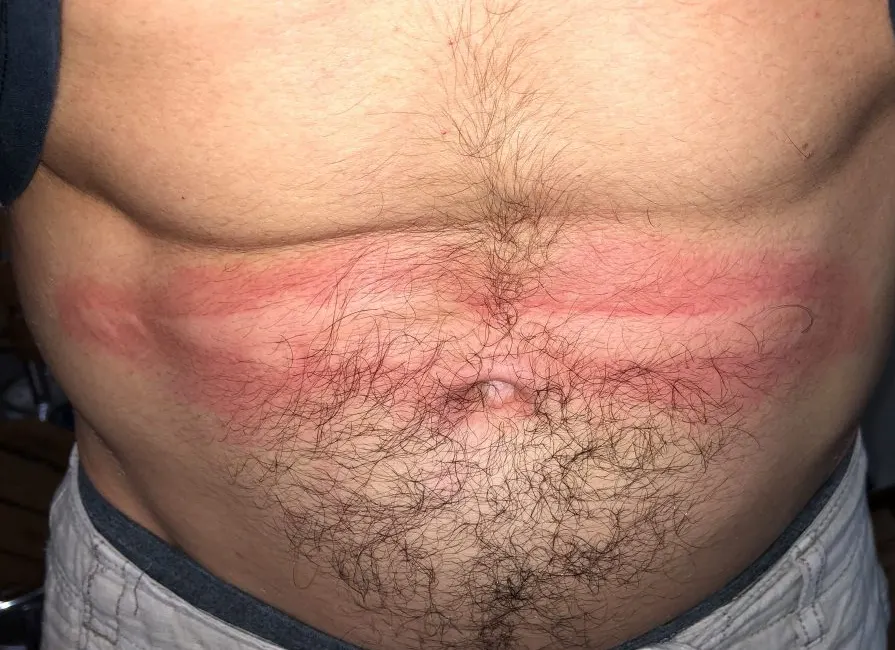
Almost every photo of dermatographia focuses on the visual — a word raised on a forearm, a stripe across a back. But ask anyone who lives with it what they would fix first and nobody says the appearance. They say the itch.
That mismatch matters clinically too. A modest-looking line can itch far more than a dramatic one, and severity scoring for urticaria weights itch heavily for exactly that reason.
What is happening under the skin
Your dermis is packed with mast cells — immune cells that store granules of histamine and other mediators. In dermatographia, those mast cells are unusually easy to destabilise mechanically. A fingernail, a bra strap, or a seatbelt is enough.
When they degranulate, histamine floods a small area and does three things at once: it widens local blood vessels (the redness), it makes those vessels leaky so fluid pools in the tissue (the raised wheal), and it binds to H1 receptors on unmyelinated C-fibre nerve endings (the itch).
That third effect is the one people underestimate. The histamine is not just sitting in the tissue — it is directly stimulating the nerves whose only job is to report itch to your brain.
The scratch–itch cycle, and why it is so hard to beat
Here is the trap that makes dermatographia itch different from ordinary itch. In most conditions, scratching relieves the sensation for a while. In dermatographia, scratching is itself the trigger.
- Histamine hits the nerve endings; you feel itch.
- You scratch, which briefly overrides the itch signal with a touch and pain signal — genuine, short-lived relief.
- That scratch is mechanical pressure, so it destabilises more mast cells along the new line.
- Fresh histamine releases, the itch returns stronger, and now over a wider area.
Why it is worse at night
The evening spike is real and it is not in your head. Core body temperature falls in the evening while skin blood flow rises, which brings more warmth and more mediators to the surface. Natural cortisol — your body's own anti-inflammatory — is at its daily low overnight. And with fewer distractions, there is nothing competing for your attention with the itch signal.
Add warm bedding, a duvet pressing on your torso, and elastic waistbands on sleepwear, and the mechanical trigger is present for eight straight hours.
Practically: a cooler bedroom, lighter breathable bedding, loose seamless sleepwear, and timing your antihistamine so its peak coverage lands over the evening — with your clinician's guidance — are the four adjustments that changed my nights most.
What actually calms the itch
Ranked roughly by how much difference each one makes, based on both the evidence base and two decades of trial and error.
- Consistent preventive antihistamines. Taken daily rather than reactively, second-generation H1 antihistamines block the receptor before histamine arrives. Guidelines allow higher-than-standard dosing under medical supervision for urticaria — discuss it with your clinician rather than self-escalating.
- Cold, not scratching. A cool compress or a cold pack wrapped in a cloth constricts vessels and gives the nerves a competing signal. Ten minutes usually takes the edge off a bad line.
- Substitute pressure for scratching. Firm flat pressure with a palm gives some of the relief of a scratch without the fingernail trauma that restarts the cycle.
- Barrier care. A bland fragrance-free moisturiser applied to damp skin twice a day makes the skin measurably harder to provoke. Fragrance and menthol-heavy products often make things worse.
- Remove the mechanical trigger. Seams, straps, waistbands and towel-drying are the most common repeat offenders. Pat dry rather than rub.
- Keep nails short. It does not stop the itch, but it dramatically reduces the damage done in a half-asleep scratch.
What does not help as much as people hope
Hot showers feel wonderful for about ninety seconds and then reliably make the itch worse for an hour, because heat increases blood flow and mediator delivery to the skin.
Topical antihistamine creams are largely ineffective for this and can sensitise the skin. Topical steroids are not a solution for dermatographia either — the reaction is histamine-driven and widespread rather than a fixed inflammatory patch.
Elimination diets are a common detour. Unless you have an identified food allergy, cutting out foods rarely changes dermatographia, and the restriction has its own cost.
When persistent itch means it is time to escalate
If you are taking a preventive antihistamine consistently and still itching most days, that is useful clinical information, not a personal failure. It tells a clinician the standard-dose approach is not controlling your histamine load, and there are further steps available — dose adjustment within guidelines, adding a second agent, or referral to a specialist for treatments used in difficult chronic urticaria.
Bring specifics to that appointment: how many days a week you itch, how many nights it wakes you, what you have tried and for how long. Vague reports get vague plans.
Find out what's driving your dermatographia
Answer 12 quick questions and get a personalized severity score, your top drivers, and a staged 30-day plan built around your own skin.
Get My Dermatographia ScoreFrequently asked
- Why is dermatographia so itchy?
- Because histamine released from skin mast cells binds directly to itch-sensing nerve fibres in the dermis. The welt and the itch come from the same release, but the nerve effect is what you feel most.
- Why does dermatographia itch more at night?
- Skin blood flow rises in the evening, your body's natural cortisol is at its lowest overnight, warm bedding and sleepwear add mechanical pressure, and there are fewer distractions competing with the itch signal.
- Does scratching make dermatographia worse?
- Yes. Scratching is itself the mechanical trigger, so it releases more histamine along the new line. Cold compresses and firm flat pressure give relief without restarting the cycle.
- Do anti-itch creams work for dermatographia?
- Topical antihistamine and steroid creams generally underperform for dermatographia because the reaction is histamine-driven and widespread rather than a fixed patch. A bland moisturiser plus oral antihistamines prescribed by a clinician does more.
- When is itch alone worth a doctor's visit?
- When it is waking you repeatedly, when antihistamines no longer touch it, or when you are itching with no visible marks at all. Persistent itch without skin change has its own list of causes worth ruling out.
Sources
Clinical background on this page is checked against the following published sources. My own experience and interviews are labelled as such in the text.