Can You Get a Tattoo With Dermatographia?
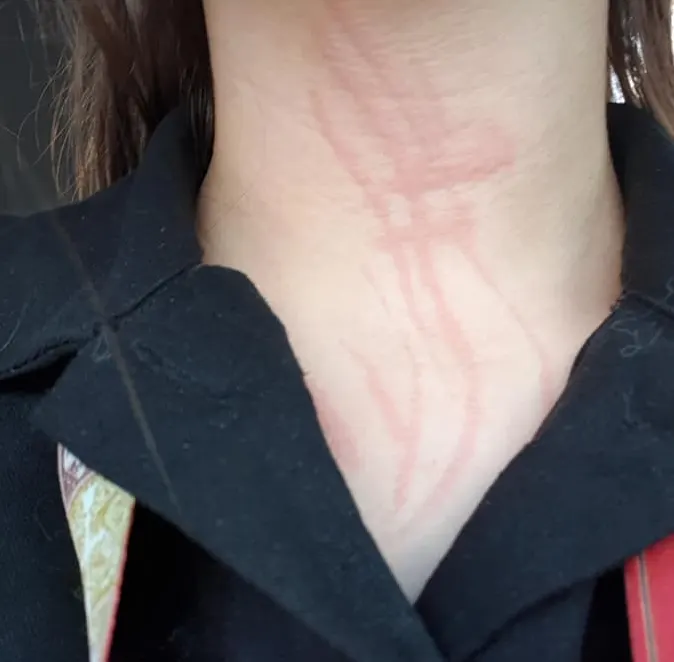
Short answerMany people with dermatographia are tattooed successfully, but the skin will usually wheal dramatically during and after the session, and swelling can obscure the work for days. Get clearance from your clinician, tell your artist in advance, and plan for a longer, itchier heal.
Why tattooing provokes a strong reaction
A tattoo machine delivers thousands of needle passes per minute — sustained mechanical trauma over a defined area. In reactive skin that means widespread degranulation, so the whole tattooed region often swells and reddens far beyond what the artist expects.
What usually happens on the day
Reported experiences cluster around a predictable pattern.
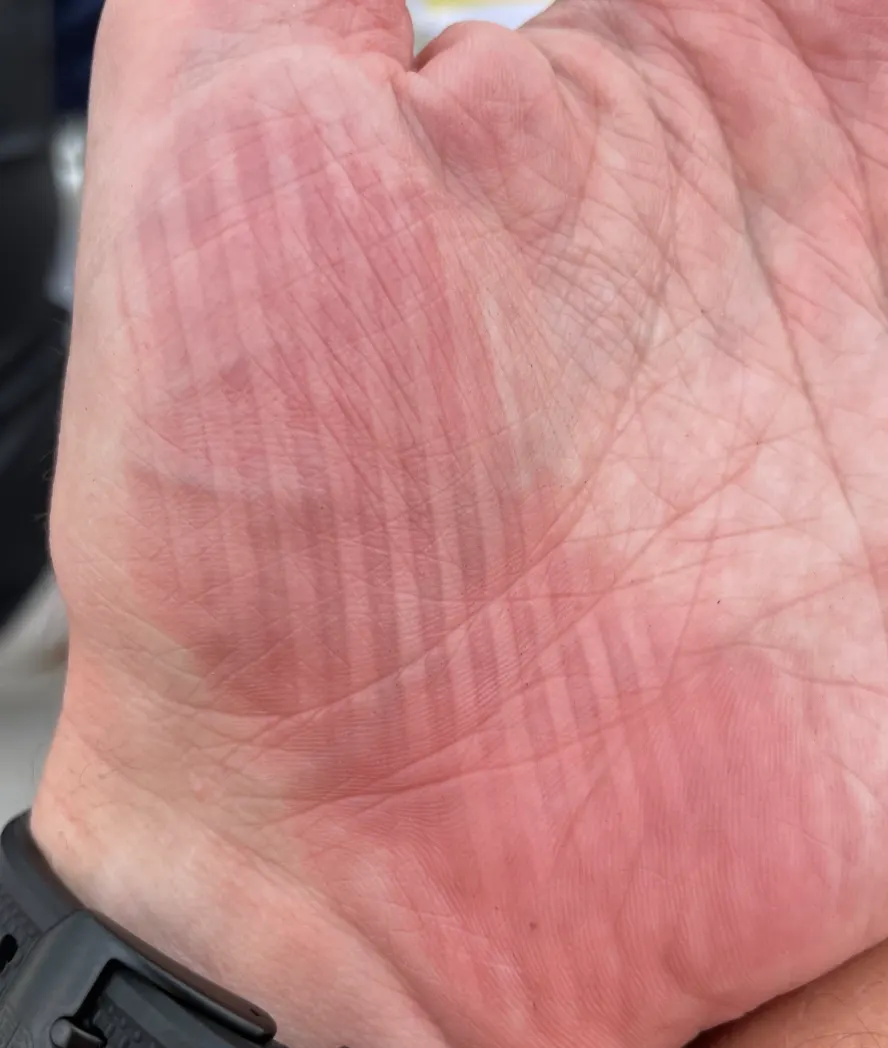
- Immediate raised swelling across and around the design.
- Reduced visibility of line work as the skin lifts, which can slow the artist down.
- Swelling that settles over hours to a couple of days.
- Itching during healing that is harder to ignore than usual.
Questions to settle first
This is a decision to make with a clinician, not from a forum thread — particularly regarding whether to take an antihistamine beforehand.
- Ask your clinician about pre-session antihistamine timing.
- Ask the artist whether they have tattooed reactive or urticarial skin before.
- Consider a small test piece in a less visible area first.
- Book a session length that allows breaks for the skin to settle.
Healing and aftercare
Fragrance-free aftercare, loose clothing over the site, and a strict no-scratching rule matter more than usual. Most reports describe final results indistinguishable from anyone else's once the reactive swelling has fully resolved.
Choosing the right time to get tattooed
Booking during a calmer stretch of symptoms, rather than during an active flare, gives the artist a better canvas and you a less itchy healing process. If your skin has been particularly reactive recently, it is worth postponing rather than pushing through.
What experienced artists say
Artists who have worked on reactive skin before often mention that the swelling looks alarming mid-session but rarely affects the final result once fully healed. Choosing someone with that specific experience, and being upfront about your diagnosis beforehand, tends to lead to a smoother session for everyone.
A practical pre-tattoo routine
If you decide to go ahead, a bit of preparation makes a real difference. Confirm your antihistamine plan with your clinician in the days before the appointment rather than the morning of. Moisturise the area well in the week leading up to the session so the skin barrier is in the best shape it can be. Book a time when you know your skin has been relatively calm for at least a couple of weeks, rather than during a stressful patch.
On the day, bring your regular antihistamine with you in case the session runs long, wear loose clothing that won't rub the fresh area afterwards, and plan to go straight home rather than into a hot, crowded environment that could add extra flushing on top of the tattoo reaction.
What didn't work for me
On my first tattoo I underestimated how much the swelling would obscure the linework mid-session, and I hadn't warned the artist in advance, which meant we had to pause more than either of us expected. I also tried a heavily fragranced aftercare balm the internet recommended, which irritated the area far more than the plain, fragrance-free option I switched to a few days in.
Common myths about tattoos and reactive skin
A few assumptions come up often and aren't quite right: that dermatographia makes tattooing unsafe (it doesn't, in the medical sense — it just changes the process and healing), that the ink itself is the trigger (the trigger is the mechanical trauma of the needle, not the pigment), and that reactive skin always heals with worse results (most people end up with results indistinguishable from anyone else's once the swelling has settled).
When to postpone or get clinical input first
It's worth postponing a booking if you're in the middle of an active flare period, if you've recently started a new medication that might interact with mast cell activity, or if you've never had significant mechanical trauma to your skin tested with your clinician's input before. A short conversation beforehand is a lot cheaper than an uncomfortable healing process.
Find out what's driving your dermatographia
Answer 12 quick questions and get a personalized severity score, your top drivers, and a staged 30-day plan built around your own skin.
Get My Dermatographia ScoreFrequently asked
- Will a tattoo look distorted because of dermatographia?
- During the session and early healing, yes — swelling changes how lines sit. Once fully healed the result usually looks normal.
- Should I take an antihistamine before a tattoo?
- Many people do, but timing and suitability are a clinical decision. Ask your physician rather than self-medicating before a long session.
- Can I get numbing cream for a tattoo with dermatographia?
- Discuss any topical anaesthetic with your artist and clinician first, since some products can irritate already-reactive skin; it is not a universal no, but it needs individual judgement.
- Is laser tattoo removal harder with dermatographia?
- Removal involves its own mechanical and thermal trauma to the skin, so similar swelling and itching can be expected; discuss timing and aftercare with the practitioner beforehand.
- Do small tattoos react less than large ones?
- Generally yes — less total mechanical trauma tends to mean a smaller area of swelling, which is one reason a small test piece is a reasonable way to see how your skin responds before committing to something larger.
- Should I get medical clearance before a tattoo?
- Mention it to your clinician if your skin is currently reactive or you are on daily antihistamines, mainly so you can plan dosing around the session. Also tell the artist beforehand — they will want to know why the skin lifts under the needle.
Sources
Clinical background on this page is checked against the following published sources. My own experience and interviews are labelled as such in the text.