Dermatographia on the Face, Neck and Chest
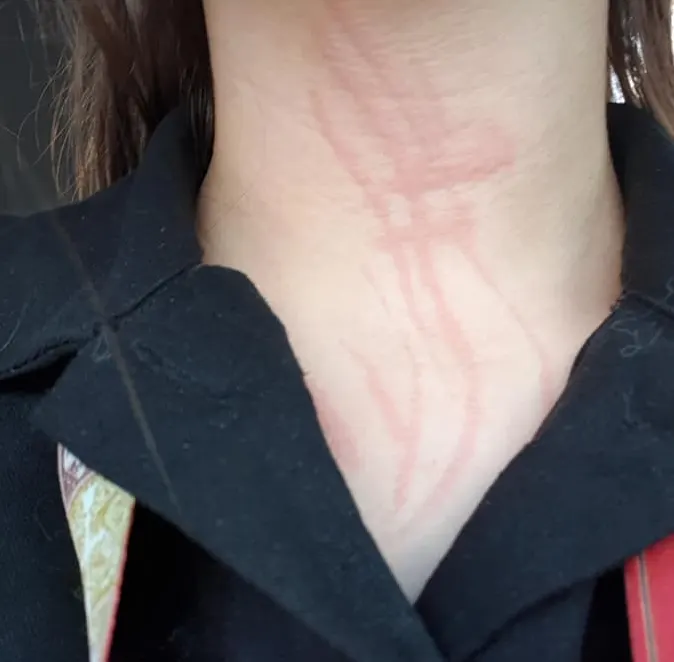
Short answerThe face, neck and chest react quickly and visibly because the skin there is thinner, richly supplied with blood vessels, and constantly touched by glasses, collars, razors, phones and hands. The reaction is exactly the same as anywhere else on the body and just as harmless, but it shows more and it flushes more. Reducing friction, keeping skincare simple and fragrance-free, and having steady antihistamine cover on days that matter are what most people find works.
Why the most visible skin is also the most reactive
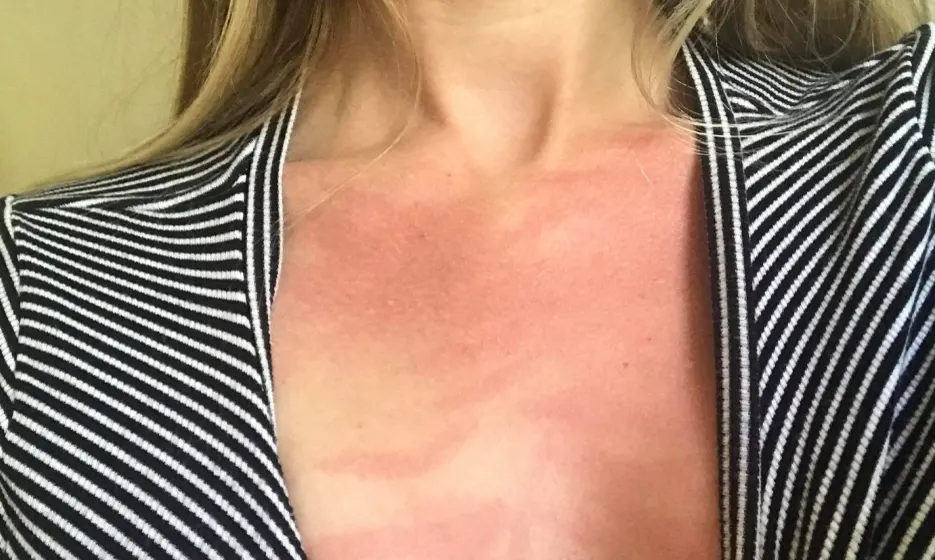
Facial and neck skin is thinner than skin on the back or thighs, sits over a dense network of small blood vessels, and is closer to the surface nerve supply. When histamine is released there, the redness spreads further and appears faster — often within a minute rather than three.
It also flushes. Blushing pathways and histamine dilation stack on top of each other, so a scratch on the cheek during a warm meeting can produce a patch of red far larger than the line you made.
The reaction is not more serious here. It is just louder.
The triggers people miss on the face and neck
Most of the pressure on this part of the body is habitual and invisible until you go looking for it:
- Glasses arms and nose pads, which leave two symmetrical lines nobody suspects.
- Shirt collars, jumper necklines, scarves, chin straps and lanyards.
- Razors, and the pull of dry shaving in particular.
- Resting a chin or cheek on a hand while working — one of the most reported causes of a red cheek patch.
- Phone screens against the cheek, and towel drying after a shower.
- Necklaces and chains, especially thin ones under a collar.
- Face masks and their ear loops, which leave a very recognisable pattern.
Skincare that does not make it worse
The skin on your face gets more product applied to it than anywhere else, and much of it is unhelpful here. Physical exfoliants, cleansing brushes and vigorous towel drying are all mechanical pressure by another name. Fragrance, high-percentage acids and alcohol-heavy toners add irritation on top of a reaction that is already too easy to provoke.
A short, boring routine works best: a gentle non-foaming cleanser applied with fingertips, a fragrance-free moisturiser with ceramides patted rather than rubbed, and a mineral sunscreen if the chemical filters sting. Introduce anything new one product at a time so you can tell what your skin is objecting to.
Makeup is generally fine. The application is the problem — a dense brush buffed in circles creates welts that the foundation then sits on top of. Pressing with a damp sponge or clean fingers avoids most of it.
Before something that matters
A wedding, a photo, an interview, a first date. What people report working, in the day or two beforehand:
- Steady antihistamine cover for a few days rather than a tablet an hour before — discuss the schedule with your clinician.
- No new skincare, no facials, no threading, waxing or dermaplaning in the week before.
- Cool rather than hot in the morning: lukewarm shower, cool rinse at the end.
- Hair off the face and neck if it usually tickles, and a softer collar than usual.
- Hands away from the face — this is the hardest one and it makes the largest difference.
How long facial welts last
The same 15 to 60 minutes as elsewhere, though the surrounding flush can take a little longer to settle because of how vascular the area is. Cooling the skin — a cool flannel, stepping outside — visibly shortens it.
What does not usually happen is scarring. Marks that linger for days on the face almost always come from scratching or picking rather than from the welt itself, which is worth knowing if you are tempted to attack an itchy patch on your cheek.
When facial swelling is a different problem
One important exception. Puffy swelling of the eyelids or lips, rather than a raised line where you were touched, is angioedema, not dermatographia. It can occur alongside urticaria and is usually managed with the same medications, but it needs to be mentioned to a doctor.
Swelling of the tongue or throat, or any difficulty breathing or swallowing, is an emergency — call emergency services rather than waiting to see if it settles.
Find out what's driving your dermatographia
Answer 12 quick questions and get a personalized severity score, your top drivers, and a staged 30-day plan built around your own skin.
Get My Dermatographia ScoreFrequently asked
- Why does my face go red when I barely touch it?
- Facial skin is thin and densely supplied with small blood vessels, so histamine-driven dilation shows sooner and spreads wider than on thicker skin elsewhere.
- Can dermatographia leave marks on my face permanently?
- The welts themselves leave nothing behind. Lasting marks come from repeated scratching or picking breaking the skin, which can leave temporary discoloration.
- Is it safe to wear makeup over dermatographia?
- Generally yes. Choose fragrance-free products and press them on with fingers or a damp sponge rather than buffing with a brush, since the application pressure causes more trouble than the product.
- Why do I get red lines on my neck that look like scratches?
- Collars, necklaces, hair and absent-minded scratching all supply enough pressure. If the lines rise within minutes and fade within an hour, that pattern is classic dermatographia.
- Does shaving make facial dermatographia worse?
- It commonly does, because a blade dragging across skin is sustained mechanical pressure. A sharp blade, warm water, generous fragrance-free lubrication and shaving with the grain reduce it.
Sources
Clinical background on this page is checked against the following published sources. My own experience and interviews are labelled as such in the text.