Why Do I Suddenly Have Dermatographia?
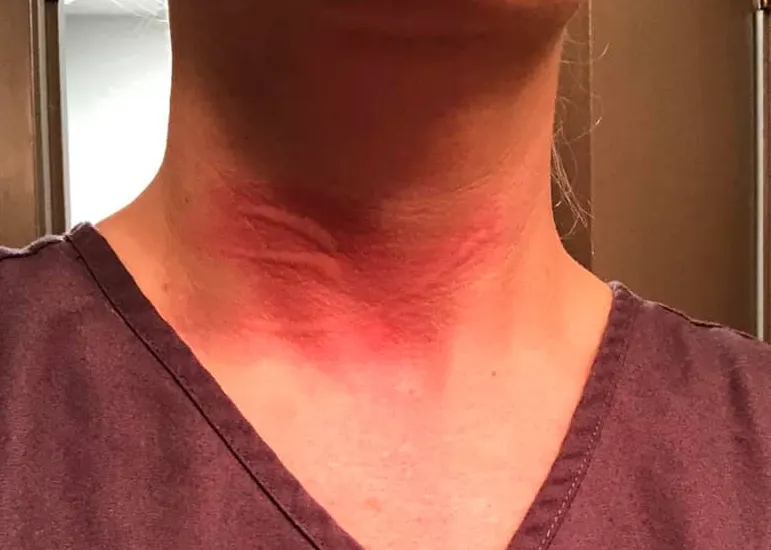
Short answerSudden-onset dermatographia most often follows a viral illness, a new medication, a hormonal shift, or a sustained stress period — all of which can lower the threshold at which skin mast cells release histamine. In many cases no single cause is ever identified, and the sensitivity settles again over months.
Sudden onset is the normal presentation
Dermatographia rarely creeps in. Most people can name the week it started: a scratch that stayed raised, a bra band that left a welt for an hour, a towel that drew stripes. That abruptness is characteristic and does not by itself mean anything is seriously wrong.
The four most common precipitants
When a cause can be identified at all, it is usually one of these.
- Post-infection: mast cell reactivity can stay elevated for months after a viral illness.
- Medication: some antibiotics, opioids and NSAIDs can destabilise mast cells.
- Hormonal change: pregnancy, postpartum, and perimenopause are frequent onset windows.
- Stress load: sleep debt plus prolonged stress reliably lowers the flare threshold.
What to note before your appointment
A two-week log makes a consultation far more useful than a description from memory. Photograph flares with a timestamp, note what touched the skin, and record how long each welt took to fade.
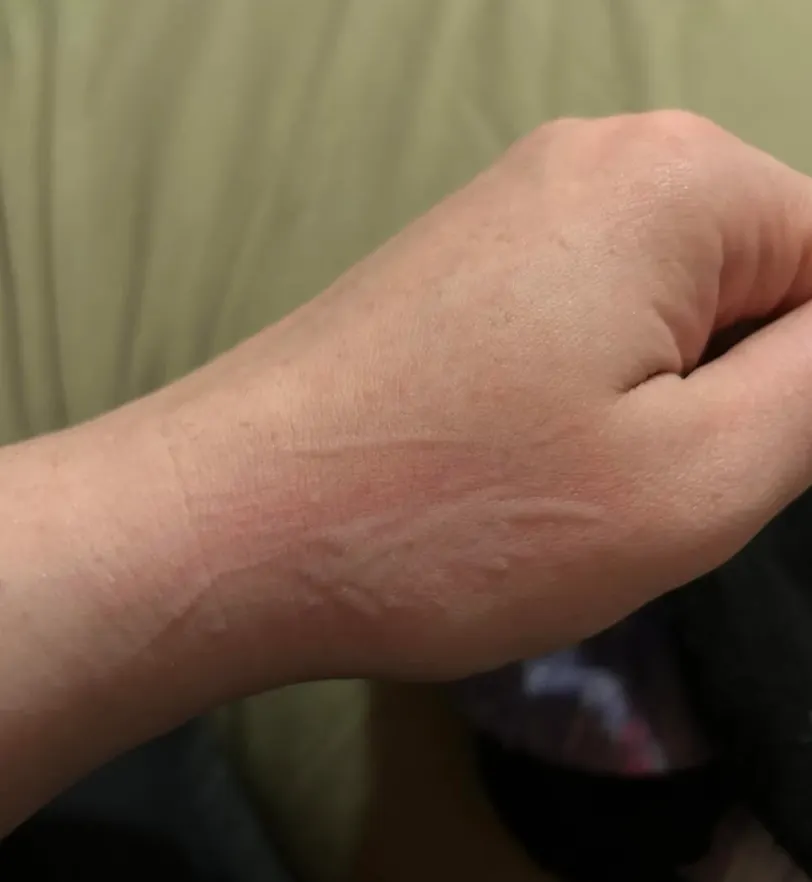
- Date of first noticed flare and anything unusual in the fortnight before.
- All medications and supplements started in the previous three months.
- Whether welts ever last longer than 24 hours (that points elsewhere).
- Any joint pain, fever, or weight change alongside the skin symptoms.
What usually happens next
For most people the pattern is: an intense first few months, then a plateau where flares become predictable, then a slow decline. Preventive antihistamines and removing daily friction shorten the intense phase considerably.
Ruling things out before assuming the worst
A sudden change in skin behaviour is unsettling, and it is natural to search for a serious explanation. In the overwhelming majority of cases, sudden-onset dermatographia is exactly what it looks like: a benign shift in mast cell sensitivity. Still, a first appointment is the right place to rule out thyroid dysfunction, mention any new medications, and confirm there is no overlapping condition, rather than trying to self-diagnose from symptoms alone.
The stress-sleep-skin triangle
Of everything patients report to clinicians, the stress-sleep connection comes up more consistently than any single dietary or environmental factor. Poor sleep raises cortisol and inflammatory markers, both of which appear to lower the mechanical threshold at which mast cells fire. In practice this means a bad week at work or a run of short nights can turn a barely-there sensitivity into visibly raised welts from clothing that never used to bother you.
- Aim for a consistent sleep and wake time, even on weekends.
- Build a short wind-down routine before bed rather than screens until lights-out.
- Treat a stressful season as a cue to double down on antihistamine consistency, not skip it.
Tracking your own onset pattern
A simple daily note for two to four weeks, covering what touched your skin, what you ate or drank, how you slept, and how flares behaved, turns a vague impression into something a clinician can actually work with. Patterns that feel obvious in hindsight are often invisible day to day without a written record.
A practical routine for the first month
The first few weeks after sudden onset are usually the most alarming, mostly because you don't yet know whether this is temporary or permanent. A simple routine helps: start a consistent daily antihistamine as agreed with a clinician, remove the two or three most obvious friction points from your daily clothing, and keep a short daily note of flares rather than trying to remember them later.
Resist the urge to overhaul everything at once — diet, skincare, clothing and sleep all in the same week — because if things improve you won't know which change actually mattered, and if they don't you'll have spent a lot of effort for no clear answer.
What didn't help when mine started
When my own skin turned reactive, my first instinct was to assume something was seriously wrong internally, and I spent time and money on tests that came back unremarkable. In hindsight, the more useful step earlier on would have been simply starting a consistent antihistamine and giving it a proper trial before assuming the worst.
I also over-corrected on skincare, switching products every few days looking for an instant fix, which if anything irritated already-sensitive skin further. Slower, more consistent changes worked better than frequent ones.
Common myths about sudden onset
A few explanations circulate constantly and rarely hold up: that sudden dermatographia always signals a serious underlying illness, that it must be an allergy to something recently introduced, or that it is caused by 'toxins' building up. In the large majority of cases it is a benign shift in mast cell threshold with no single dramatic cause.
When to see a clinician sooner rather than later
Most sudden-onset cases can wait for a routine appointment, but move it up if welts last more than 24 hours, if you notice swelling of the lips, tongue or throat, if you have breathing symptoms, or if the skin symptoms come with fever, joint pain or unexplained weight change. Those combinations point away from typical dermatographia and deserve a prompt clinical look.
Related reading
If this was useful, these go deeper on the questions people ask next.
Find out what's driving your dermatographia
Answer 12 quick questions and get a personalized severity score, your top drivers, and a staged 30-day plan built around your own skin.
Get My Dermatographia ScoreFrequently asked
- Can dermatographia appear after COVID or a vaccine?
- Post-viral onset is well described for chronic urticaria generally, and many people first notice skin writing after an infection. Reports also exist after vaccination. Either way the management is the same.
- Will it go away as suddenly as it came?
- Sometimes. Remission over months to a few years is common, though it can also relapse during stress or illness.
- Can a new laundry detergent trigger sudden dermatographia?
- A harsher detergent or fabric softener can irritate and dry the skin barrier, which lowers the threshold for flares, though it is unlikely to be the sole cause. Switching to a fragrance-free formula for a couple of weeks is a cheap way to test it.
- Is it normal for symptoms to fluctuate week to week even without an obvious cause?
- Yes, very. Mast cell reactivity naturally drifts with sleep, hormones and stress, so weeks of calm skin followed by a flare-up is a typical pattern rather than a sign something new has gone wrong.
- Can anxiety about the skin itself make it worse?
- Yes, plausibly — anxiety adds to overall stress load, which is one of the recognised factors that lowers the flare threshold, so worrying about a flare can indirectly make the next one more likely.
- Is sudden onset a reason to get checked out?
- Yes, once. New onset in adulthood is worth a single visit to rule out an underlying trigger such as a thyroid problem, a recent infection or a new drug. If that comes back clear, the follow-up is about symptom control rather than more testing.
Sources
Clinical background on this page is checked against the following published sources. My own experience and interviews are labelled as such in the text.